Imagine harnessing the raw, untamed power of a rushing river and transforming it into the clean, reliable electricity that lights our homes and powers our industries. This isn’t science fiction; it’s the daily reality of hydroelectric power plants. By converting the potential energy of falling water into mechanical energy, and then into electricity, hydropower stands as one of the oldest and most widely adopted forms of renewable energy on Earth. It’s a cornerstone of secure, clean energy supply systems, consistently providing vast amounts of low-carbon electricity on demand.
Globally, hydroelectricity has consistently outperformed other renewable sources, supplying an impressive 15% of the world’s electricity by 2023. This remarkable achievement underscores its vital role in the global energy mix, a testament to its efficiency, scale, and continuous replenishment by the planet’s natural water cycle.
Unpacking the Mechanism: How Hydroelectricity Comes to Life
At its core, conventional hydroelectric power generation is a marvel of engineering simplicity. It begins by collecting or storing water at a higher elevation, often behind a massive dam that impounds a river to create a significant “head”—the difference in elevation.
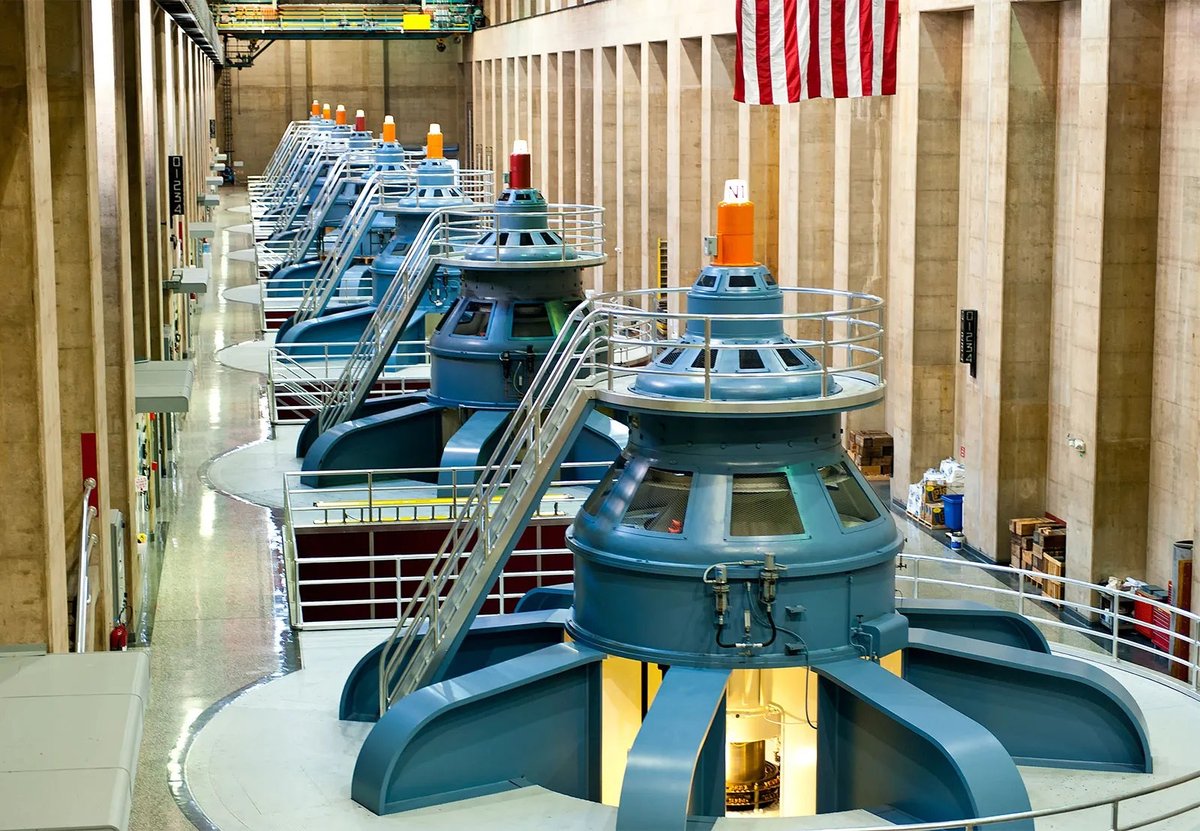
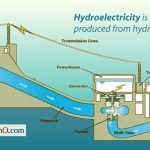
This stored water is then carefully directed downward through large pipes or tunnels known as penstocks. As the water rushes through these conduits, gravity accelerates it, causing immense pressure and kinetic energy. At the bottom, this powerful flow strikes and rotates massive turbines, which efficiently convert the water’s mechanical energy into rotational force. These spinning turbines are directly connected to generators, which then perform the crucial task of converting that mechanical energy into usable electricity. Finally, transformers adjust the alternating voltage for efficient long-distance transmission, sending clean power to communities far and wide. The entire structure housing these vital components is known as the powerhouse, typically nestled within or alongside the dam itself.
The Diverse Faces of Hydroelectricity: Exploring Different Plant Types
While the fundamental principle remains consistent, hydroelectric power manifests in several fascinating forms, each adapted to specific geographical and energetic needs. These diverse approaches highlight the versatility of water power.
Impoundment Plants: The Classic Dam Model
This is arguably the most recognizable form of hydropower. Impoundment plants utilize a dam to create a large reservoir, storing river water. The controlled release of this water through turbines generates electricity, but these reservoirs serve many additional purposes, including flood control, recreation, fish passage management, and even supporting local aquaculture.
Unlike impoundment systems, run-of-river plants often require little to no dam structure or reservoir. Instead, they channel a portion of a river’s natural flow through a canal or penstock, capitalizing on the river’s existing decline in elevation. These systems use only the available upstream flow, making them ideal for minimizing environmental impact on the river system.
Pumped-Storage Hydropower (PSH): The Grid’s Giant Battery
Pumped-storage hydropower (PSH) acts as a critical energy storage solution, much like a massive natural battery. During periods of low electricity demand or when excess power is available from other sources (like solar or wind), PSH uses this energy to pump water from a lower reservoir to a higher one. When demand surges, the stored water is released back down to the lower reservoir, turning turbines and generating electricity. By 2021, PSH accounted for nearly 85% of the world’s grid energy storage, demonstrating its invaluable role in grid stability.
Specialized Hydro Systems: Beyond the Conventional
Beyond these primary types, other innovative hydroelectric methods cater to unique environments and existing infrastructure. Tidal power, for instance, harnesses the predictable daily rise and fall of ocean tides. Conduit hydroelectricity generates power from water flowing through existing man-made conduits like municipal water supply pipelines or canals, repurposing infrastructure for energy generation. Lastly, underground power stations, often found in large facilities with significant height differences, channel water through tunnels to generating halls built deep within caverns, releasing it to lower waterways.
The Scale of Power: From Micro to Mammoth
Hydroelectric facilities span an impressive range, from tiny systems powering a single remote home to colossal projects that supply electricity to entire nations. While specific classifications can vary regionally, the U.S. Department of Energy (DOE) defines capacities as follows:
Pico Hydropower Plants: Generating under 5 kilowatts (kW), these systems are perfect for very small electric loads in remote areas, often employing simple run-of-the-river setups.
Micro Hydropower Plants: With capacities up to 100 kW, these provide power for isolated homes, farms, or small communities.
Small Hydropower Plants (SHP): Projects ranging from 100 kW to 10 MW (though some regions extend this to 25-30 MW). SHP often feature minimal reservoirs and civil construction, aiming for a lower environmental footprint.
Large Hydropower Plants (LHP): Facilities exceeding 30 megawatts (MW), or generally over 50 MW globally, are classified as large. The largest example is China’s Three Gorges Dam, which boasts an astounding 22.5 GW (22,500 MW) capacity, making it the world’s single largest power-producing facility of any kind.
A Glimpse into the Past: Hydroelectricity’s Journey
The concept of harnessing water’s force is ancient, dating back millennia to uses like grinding flour. However, the true dawn of hydroelectricity for power generation began much more recently. The late 18th century saw hydropower as a crucial energy source for the Industrial Revolution.
The first scheme specifically for generating electricity emerged in 1878, when William Armstrong used hydropower at Cragside, England, to power an arc lamp. Soon after, in 1882, the Vulcan Street Plant in Appleton, Wisconsin, became the first Edison hydroelectric power station in the United States, producing about 12.5 kW. The technology rapidly caught on, with over 200 hydroelectric stations operating in the U.S. by 1889. Major federal legislation, like the Federal Power Act of 1920, further spurred development, leading to iconic large-scale projects such as the Hoover Dam and Grand Coulee Dam.
The Current Flow: Why Hydroelectric Power Matters
The enduring appeal of hydroelectric power lies in its myriad advantages, making it a cornerstone of sustainable energy development. These benefits extend far beyond simply generating electricity.
For one, it’s a truly renewable resource, continuously replenished by the Earth’s natural hydrologic cycle. Hydroelectric plants also offer exceptional flexibility, capable of ramping up to full load in minutes to adapt to fluctuating energy demands. This makes them ideal for “load following” and providing crucial backup power to the grid. The reservoirs associated with many plants allow for the storage of water at low cost, which can then be dispatched as high-value, clean electricity whenever needed. To truly grasp the impressive scale and engineering behind these facilities, you might appreciate exploring various photos of hydroelectricity to see them in action.
Hydroelectric power plants are also known for their long economic life, often operating effectively for 50 to 100 years or even more. Coupled with typically low operating costs due to automation and minimal onsite personnel, they offer significant long-term value. Critically, these plants produce reduced emissions, releasing no direct CO2, SO2, NOx, or particulate emissions during power generation, and boast low lifecycle greenhouse gas emissions, especially in temperate climates. Beyond energy, these multipurpose dams create reservoirs that support water sports, tourism, aquaculture, irrigation, and essential flood control, profoundly benefiting surrounding communities.
Navigating the Currents: The Challenges of Hydropower
Despite its many advantages, hydroelectric power development is not without its complexities and potential drawbacks. A balanced understanding requires acknowledging these challenges.
One significant concern is ecosystem damage and land loss. Large dam-based projects submerge vast areas for reservoirs, destroying rich lowland forests, marshlands, and grasslands, which leads to habitat fragmentation and can displace both ecological communities and human populations. This displacement is estimated to have affected tens of millions worldwide. Furthermore, dams can disrupt river ecology, altering natural flow patterns, reducing suspended sediment (leading to downstream scouring), and impacting migrating fish species. Intermittent operations can also cause rapid and unnatural river flow fluctuations.
Hydroelectric power is also vulnerable to climate change. Changes in rainfall patterns and increased droughts can limit water availability and, consequently, energy production. Evaporation from large reservoirs can also lead to significant water loss. In specific tropical lowland rainforests, where reservoirs are large and forests are not cleared, decaying submerged vegetation can produce substantial methane emissions in anaerobic conditions, a potent greenhouse gas that can, in some cases, rival emissions from fossil fuel plants. Finally, while rare, the risks of dam failure are catastrophic, holding vast volumes of water that could devastate downstream settlements and infrastructure, as tragically demonstrated by the 1975 Banqiao Dam failure in China.
Hydro’s Place in the Modern Grid: A Partner in Power
Hydroelectricity’s role often goes beyond simply generating electricity; it acts as a crucial partner to other energy sources, enhancing overall grid stability and efficiency.
Compared to fossil fuels, hydroelectricity eliminates harmful flue gas emissions like SO2, NOx, CO, and particulates, and avoids the associated hazards of coal mining. When paired with nuclear power, which is typically inflexible, hydro’s ability to provide peak power at a much lower cost and quickly adapt to demand makes it an ideal complement for load following. Similarly, hydro reservoirs are invaluable for balancing the intermittent nature of wind power. They can store excess energy generated during peak wind periods (often at night) and release it as electricity when wind generation is low, allowing countries like Norway, which is 98% hydro-powered, to effectively trade energy with wind-heavy neighbors.
A World Powered by Water: Global Snapshot
Hydroelectric power continues to be a dominant force in the global energy landscape. In 2022, it generated a staggering 4,289 TWh of electricity worldwide. China leads the pack, accounting for nearly 30% of global production, followed by Brazil (10%), Canada (9.2%), the United States (5.8%), and Russia (4.6%). Paraguay stands out for relying almost entirely on hydropower and is a significant exporter of electricity.
Globally, installed hydropower electrical capacity reached almost 1,400 GW in 2021, making it the highest among all renewable energy technologies. While nearly 70% of hydroelectric plants are privately owned and operated, the majority of the installed capacity (70%) is publicly owned, reflecting the immense scale and public interest associated with many of these vital facilities.
The Future’s Flow
Hydroelectric power plants represent a remarkable fusion of natural forces and human ingenuity. As the world accelerates its transition to clean energy, hydropower will undoubtedly continue to play a foundational role, not just as a source of electricity, but as a critical enabler of a stable and resilient renewable energy grid. Its enduring legacy and adaptable nature ensure that the power of flowing water will continue to light our world for generations to come.
I am a writer who loves renewable energy, with a focus on sustainable living, renewable energy, and eco-friendly innovation. With a passion for environmental awareness and a desire to explore the latest trends in green technology, corporate sustainability, and climate action. Through in-depth storytelling