Harnessing the relentless flow of water to power your home is more than just a dream; it’s a tangible reality for anyone with access to a suitable stream or river. For truly independent living, a water wheel for electricity stands out as a supremely reliable, continuous source of off-grid power, silently converting kinetic energy into the comfort and convenience of modern life, day and night, rain or shine.
Consistent Energy: Unlike solar or wind, water wheels offer 24/7 power, making them ideal for base load.
Diverse Options: From high-head Pelton wheels to low-head undershot designs, there’s a wheel for most water sources.
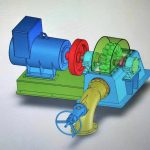
Key Components: A robust system includes the wheel, generator, gearing, penstock, and a full electrical setup with batteries and inverter.
Power Potential: Even modest setups can yield significant continuous watts, enough to keep essential off-grid appliances running.
Upfront vs. Long-Term: Initial costs can be high, but operational expenses are minimal, leading to long-term savings and energy independence.
Site-Specific & Regulatory: Success hinges on your water source’s characteristics and navigating local permits and environmental considerations.
The Uninterrupted Flow: Why Water Wheels Stand Out for Off-Grid Power
While solar panels depend on the sun and wind turbines on gusts, a water wheel taps into an ever-present force: flowing water. This inherent consistency makes a water wheel generator a cornerstone for off-grid homes, providing a predictable energy supply that often requires less energy storage capacity than intermittent sources. It’s a continuous, clean energy stream, turning the simple act of a stream’s descent into a powerful, quiet, and environmentally friendly electricity source.
Fundamentally, these systems convert the kinetic and potential energy of water into rotational mechanical energy. This rotation then drives a generator, which, through electromagnetic induction, produces electrical current. It’s a centuries-old principle, refined for modern energy needs.
Choosing Your Water Wheel: Matching Type to Terrain
The first critical decision for any aspiring hydro-power generator is selecting the right type of water wheel. This choice hinges entirely on the characteristics of your specific water source, primarily its “head” (vertical drop) and “flow” (volume of water).
Overshot Wheels: For the Steep Drops
If your property boasts a significant vertical drop in a relatively short distance, an overshot wheel is likely your most efficient choice. Water is channeled to flow over the top of the wheel, filling buckets and leveraging both the weight of the water (potential energy) and its momentum. These systems can achieve efficiencies up to 70%, making them incredibly effective for steep terrains. Think of a mill stream cascading down a hillside; that’s prime overshot territory.
Undershot Wheels: Harnessing Current in Flat Areas
For flatter landscapes with a fast, steady current and minimal head, the undershot wheel is a simpler, yet effective, solution. Here, the water flows beneath the wheel, pushing against paddles or blades at the bottom. While less efficient than overshot designs (often around 30-40%), their straightforward construction makes them a popular choice for rivers or larger streams where a significant drop isn’t feasible. They primarily capture the kinetic energy of the moving water.
Breastshot Wheels: The Mid-Range Balance
When your water source offers a moderate head, perhaps where water can be delivered at the wheel’s midpoint, a breastshot wheel offers a balanced approach. Water enters around the hub level, engaging more paddles than an undershot wheel but not relying solely on the weight like an overshot. They balance the utilization of both water velocity and gravitational potential.
Pitchback Wheels: Enhanced Efficiency for Moderate Heads
A variation of the breastshot, the pitchback wheel directs water slightly behind the top of the wheel. This design combines advantages of both overshot and breastshot wheels, creating an entry angle that enhances efficiency by capturing water more effectively and leveraging its weight longer. It’s a smart choice for optimizing output in moderate head situations.
Pelton Wheels: Precision for High-Head, Low-Flow
When you have a very high vertical drop but perhaps a limited volume of water, a Pelton wheel steps in. These aren’t traditional “wheels” in the visual sense but rather specialized turbines. High-pressure water jets are directed at a series of specially shaped buckets around the wheel’s perimeter, efficiently extracting energy from the water’s velocity. They are highly efficient for specific high-head, low-flow scenarios, though they require meticulous engineering for optimal performance.
Inside Your Powerhouse: Key Components of a Water Wheel System
Building a robust water wheel for electricity involves more than just the wheel itself. Each component plays a vital role in transforming flowing water into usable power for your home.
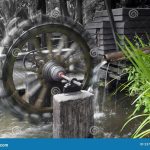
The Water Wheel/Rotor: This is the heart of the system, designed to capture the maximum energy from your water source. Materials like steel, durable plastics, or treated hardwoods are common, chosen for their resilience against water and wear. The number of paddles, blades, or buckets (typically 8-40) is critical for efficient energy capture. A well-designed wheel maximizes torque and rotational consistency.
A Sturdy Shaft/Axle: This component transfers the rotational motion from the wheel to the rest of the system. It needs to be incredibly robust—stainless steel or adequately treated hardwood are excellent choices—to withstand continuous torque and the elements.
Bearings: These crucial elements support the shaft, ensuring smooth rotation and minimizing friction. Look for sealed, waterproof, and self-lubricating bearings to extend their lifespan and reduce maintenance, especially given the wet environment.
A Generator/Alternator: This is where the magic happens, converting mechanical energy into electricity. Permanent magnet alternators (PMAs) are popular for micro-hydro systems due to their efficiency at lower RPMs and robust design. Matching the generator’s capacity to your wheel’s potential output is vital for efficiency.
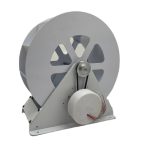
A Gearing System: Water wheels inherently turn slowly, often between 10-30 RPM. Generators, however, perform optimally at much higher RPMs. A gearing system—like a belt drive, chain drive, or gear reducer—bridges this gap, stepping up the rotational speed from the wheel to the generator. Proper gear ratios are essential for maximizing the generator’s electrical output.
A Penstock/Delivery System: This channels water efficiently from the intake to the wheel. Large-diameter PVC or ABS pipes are commonly used. The design minimizes friction and turbulence to ensure the water reaches the wheel with maximum energy. A well-designed penstock is critical for maintaining head pressure and consistent flow.
The Electrical System: From Raw Power to Home Use: This intricate network manages the generated electricity:
Rectifier: If your generator produces AC power, a rectifier converts it to DC, which is necessary for charging batteries.
Charge Controller: This device regulates the power flow from the generator to your battery bank, preventing overcharging and ensuring optimal battery health.
Deep-Cycle Battery Bank: For any off-grid system, energy storage is paramount. Deep-cycle batteries store the generated power, allowing you to use electricity when the wheel isn’t producing (e.g., during low flow seasons or when demand is high).
Inverter: To power standard household appliances, the DC electricity stored in your batteries must be converted back to AC. A high-quality inverter is essential for reliable, clean power.
Safety Components: Proper wiring, waterproofing for outdoor components, grounding, fuses, circuit breakers, and a master disconnect switch are non-negotiable for safety and system protection.
Calculating Your Potential: What Can Your Stream Deliver?
Understanding how much power your water source can actually generate is fundamental. It starts with two key measurements: head and flow.
Head: This is the vertical drop your water takes from the intake point to where it hits your water wheel. Think of it as the gravitational potential energy. More head generally means more power potential.
Flow: This refers to the volume of water moving through your source over a specific period. It’s often measured in gallons per minute (GPM) or cubic feet per second (CFS). More consistent flow means more sustained power.
A common rule of thumb for estimating power output in micro-hydro systems, accounting for typical efficiencies (around 50-60%), is: Power (Watts) = [Head (feet) x Flow (GPM)] / 10
Let’s put this into perspective with some examples:
Modest Setup: Imagine a small stream offering a modest 10 feet of head and a consistent flow of 40 GPM.
Power = (10 feet * 40 GPM) / 10 = 40 Watts.
While 40 continuous watts might sound small, over a full day, this equates to nearly 1 kilowatt-hour (kWh). This is enough to keep batteries charged for LED lighting, charging laptops, and powering small appliances like a phone charger or a low-wattage fan.
Mid-Range System: Consider a more substantial setup with 20 feet of head and 100 GPM flow.
Power = (20 feet * 100 GPM) / 10 = 200 Watts.
A continuous output of 200 watts translates to 4.8 kWh per day. This can comfortably meet the needs of a modest cabin, handling refrigeration, multiple lights, and various electronics.
Larger Home Potential: With a significant 50 feet of head and 200 GPM flow, you’re looking at:
A continuous 1 kW output delivers 24 kWh per day, enough to power a full-sized home with careful energy management.
These calculations offer a practical starting point. For a deeper dive into the overall framework of setting up your off-grid system, explore our Water wheel off-grid power guide.
The Upside: Real Advantages of Water Wheel Electricity
Beyond the romantic ideal, powering your home with a water wheel brings tangible, practical benefits.
Consistent, Renewable Energy: This is arguably the biggest advantage. Flowing water provides 24/7 power, indifferent to the time of day, cloud cover, or wind patterns. This consistency ensures a steady, reliable supply, reducing reliance on extensive battery banks often needed for intermittent sources.
Low Operational Costs: Once installed, the primary “fuel” is free. Maintenance and operating expenses are minimal compared to fossil fuel generators, leading to significant long-term savings. With proper care, a well-built system can last for decades.
Environmentally Friendly: Water wheel generators produce clean energy without harmful emissions or greenhouse gases. When designed responsibly (often as “run-of-the-river” systems that don’t require large dams), they have a minimal impact on aquatic ecosystems, allowing water to continue its natural course.
Scalable to Your Needs: Whether you need a small setup for basic lighting and charging or a larger system for a full household, water wheel systems can be sized to match both your energy requirements and the available water flow.
Quiet Operation: Unlike noisy generators, the primary sound you’ll hear from a water wheel is the gentle splash of water. The mechanical components are generally quiet, making for a peaceful living environment.
Energy Independence & Resilience: Generating your own power drastically reduces reliance on the grid, providing true energy independence. In an outage, your home remains powered, offering invaluable backup. These systems can also be integrated with existing grid-tied setups for supplemental power.
Cost-Effective Long-Term: While the initial investment can be substantial, the long-term savings on electricity bills, coupled with potential government incentives, tax credits, or net metering programs, can make water wheel electricity a highly cost-effective solution over its lifespan.
Navigating the Challenges: What to Consider Before You Build
While appealing, implementing a water wheel generator isn’t without its hurdles. Being aware of these challenges upfront can save significant time and resources.
Limited Power Capacity: For many typical home streams, a water wheel generator might not produce enough electricity to meet the full demand of a modern, energy-intensive household on its own. It might require supplementary sources (like solar or wind) or careful energy conservation.
Environmental Impact Concerns & Regulations: While generally eco-friendly, altering natural stream flow can disrupt aquatic life and ecosystems if not done responsibly. Construction can also cause temporary disturbances. Consequently, permits and environmental assessments are almost always required, which can be a complex and lengthy process.
High Upfront Installation Costs: Beyond DIY kits, commercially available water wheel systems and professional installation can range from $5,000 to $50,000 or more. This includes site preparation, water diversion infrastructure (like penstocks and intake structures), and the components themselves. Even basic DIY setups can cost $200-$500, but these are often for very small-scale projects.
Site-Specific Requirements: This is perhaps the most significant constraint. You absolutely need a suitable water source with adequate and consistent head (a minimum of 3 feet is generally recommended for practical output) and flow (at least 20 GPM is a good starting point for meaningful power). Intermittent streams that dry up seasonally are problematic.
Legal & Regulatory Complexity: Water rights, local zoning ordinances, building permits, and environmental regulations vary widely by region. Navigating this bureaucratic landscape can be challenging and time-consuming, often requiring expert legal or engineering consultation. Ignorance of these rules can lead to costly fines or even forced removal of your system.
Your Step-by-Step Playbook: Implementing a Water Wheel Generator
Turning the dream of off-grid hydro power into reality requires a methodical approach. Follow these steps for a successful installation:
Thorough Site Assessment – Measure Twice, Cut Once:
Head Measurement: Accurately measure the vertical drop from your potential water intake to the wheel’s location. This is often done with a transit level or a long, level piece of lumber and a spirit level.
Flow Rate: Determine the average and minimum flow rates of your water source. A simple method involves diverting the stream into a known-volume container (e.g., a 5-gallon bucket) and timing how long it takes to fill, then extrapolating to GPM. Repeat this several times over different seasons.
Consistency: Observe your stream’s flow over a full year to identify seasonal variations, drought impacts, and flood risks.
Logistics: Assess the distance from the water source to your home, the terrain for laying piping, accessibility for construction, and potential flood zones.
Professional Consultation: For anything beyond the smallest DIY project, consult a professional hydro engineer. Their expertise can optimize your design, predict output, and identify potential issues before they become costly mistakes.
Legal & Permitting – Don’t Skip This Step:
Contact your local planning department, water resources agency, and environmental protection agencies. Inquire about all necessary permits, water rights (which can be complex), and environmental regulations.
Be prepared for potential environmental assessments or impact studies, especially for larger projects. Early engagement can streamline the process.
Construction & Assembly – Building the Backbone:
Wheel Acquisition/Construction: Source or build a durable, waterproof water wheel. Material choice (steel, plastic, treated wood) depends on budget, desired lifespan, and specific water conditions.
Mounting the Wheel: Securely mount the wheel onto its shaft/axle, ensuring it’s perfectly balanced and free-spinning.
Water Delivery System: Install your penstock or channeling system. This needs to be robust, properly sloped, and include a protective screen at the intake to prevent debris (leaves, branches, fish) from entering and damaging the wheel or pipes.
Generator Mounting: Securely mount your generator. Connect it to the water wheel via your chosen gearing system (belt, chain, direct drive). Ensure proper alignment and tension for optimal power transfer.
Structural Support: Construct a sturdy, level foundation for the wheel and generator, capable of withstanding the weight of the system and the force of the flowing water. Concrete pads or robust timber frames are common.
Electrical Wiring – Safety First:
Connect the generator, rectifier (if needed), charge controller, battery bank, and inverter.
Crucial Safety Measures: Adhere strictly to electrical codes and safety guidelines. This includes proper wire sizing, adequate insulation, waterproofing all outdoor connections and enclosures, robust grounding, and installing appropriate fuses and circuit breakers at every critical junction. A clearly labeled disconnect switch is essential for maintenance and emergencies. If you’re not an experienced electrician, hire one for this phase.
Testing, Calibration, & Maintenance – Keep the Power Flowing:
Initial Run: Once assembled, start the system. Observe the wheel’s rotation, generator output, and the charge controller’s behavior.
Calibration: Adjust components (e.g., penstock flow, gearing tension) to optimize output and efficiency.
Regular Maintenance Schedule:
Weekly: Clear debris from the intake screen.
Monthly: Inspect bearings for wear, noise, or signs of water ingress. Check belt/chain tension.
Quarterly: Inspect all electrical connections for corrosion or looseness. Check battery water levels (if non-sealed).
Annually: Check the structural integrity of the wheel and mounting. Repaint or reseal wooden components as needed. Perform a comprehensive electrical system check.
Safety Gear: Always wear appropriate protective gear (gloves, eye protection) during construction and maintenance.
Environmental Stewardship – Be a Good Neighbor:
Fish Protection: Design intake screens with small enough mesh to prevent fish from entering the penstock.
Minimum Flow: Ensure sufficient water flow remains in the main stream channel, especially downstream of your intake, to support aquatic ecosystems and other water users.
Natural Materials: Where possible, use natural, untreated materials that blend with the environment and won’t leach chemicals into the water.
Boosting Performance: Optimization & Hybrid Systems
To truly maximize your water wheel for electricity and achieve robust energy independence, consider these advanced strategies:
System Optimization:
Sealed Bearings: Investing in high-quality, sealed, self-lubricating bearings significantly reduces friction and maintenance while extending the system’s life.
Overflow Channels: Incorporating overflow channels in your penstock design can prevent overpressure during high flow events, protecting your system from damage.
Flywheels: Adding a flywheel to the shaft can smooth out rotational speed, especially if your water flow isn’t perfectly consistent, leading to more stable power generation.
Hybrid Systems: The Best of All Worlds:
For unparalleled energy independence and consistency, integrating your water wheel generator with other renewable sources like solar panels or wind turbines creates a highly resilient hybrid system.
Complementary Strengths: Your water wheel can provide reliable base power, particularly effective during the night or overcast days when solar output is zero. Solar panels excel during daytime peaks, while wind turbines can capitalize on stormy, windy seasons.
Continuous Generation: This multi-source approach ensures continuous power generation regardless of specific weather conditions, extending battery life and offering vital redundancy. For instance, if your stream flow drops during a dry summer, your solar panels can pick up the slack, and vice-versa during a rainy, dark winter.
Quick Answers: Your Water Wheel FAQs
Can a small stream really power a home?
Yes, absolutely. Even a modest stream with 10 feet of head and 40 GPM can generate about 40 continuous watts, accumulating nearly 1 kWh per day. While not enough for a large, energy-hungry home, it’s significant for basic needs and supplementary power, especially when combined with careful energy usage or other renewables.
How much maintenance does a water wheel generator require?
Compared to engines, maintenance is low. Key tasks include weekly debris clearing from intake screens, monthly bearing and belt/chain checks, quarterly electrical connection inspections, and annual structural integrity checks. The consistent flow of water is often self-cleaning for the wheel itself.
Is it legal to put a water wheel on any stream?
Not necessarily. Water rights are complex and highly regulated. You’ll likely need permits from local, state, and possibly federal agencies, and you must ensure your system doesn’t negatively impact downstream users or ecosystems. Always check local regulations before planning.
How long do these systems last?
With proper design, robust construction, and regular maintenance, a water wheel generator system can last 30-50 years or even longer. Components like the generator or batteries will have shorter lifespans (10-20 years for generators, 5-15 for batteries) and will need periodic replacement.
Can I connect it to the grid?
Yes, in some regions, net metering or grid-tied hydro systems are possible. This allows you to sell excess electricity back to the utility. However, this adds another layer of regulatory and technical complexity, including specific inverters and utility agreements.
Ready to Turn the Wheel? Your Next Steps to Off-Grid Power
Embracing a water wheel for electricity is a journey toward profound energy independence. It demands careful planning, a deep understanding of your site, and a commitment to responsible implementation. Begin by thoroughly assessing your water source’s head and flow—these are your foundational numbers. Simultaneously, research your local water rights and permitting requirements; this due diligence is non-negotiable.
Once you have a clear picture of your site’s potential and regulatory landscape, you can start exploring specific wheel types and system components that match your needs. Remember, a professional hydro engineer can be an invaluable partner in designing an efficient, compliant, and long-lasting system. With meticulous execution and a focus on sustainability, your water wheel can reliably power your off-grid home for decades to come.
I am a writer who loves renewable energy, with a focus on sustainable living, renewable energy, and eco-friendly innovation. With a passion for environmental awareness and a desire to explore the latest trends in green technology, corporate sustainability, and climate action. Through in-depth storytelling