Geothermal energy, derived from our planet’s immense internal heat, is often lauded as a quiet giant in the renewable sector. It’s a 24/7 baseload power source with a small land footprint, capable of powering homes, heating districts, and even cooling buildings. Countries like Iceland and Kenya showcase its profound potential, integrating it deeply into their energy infrastructure. The Earth’s fiery core and magma-heated reservoirs offer a consistent, powerful resource that seems too good to be true.
However, like any energy solution, geothermal comes with its own complex set of hurdles. Beneath the surface of its promising statistics lie significant disadvantages and development challenges that demand our close attention. This super pillar hub isn’t just about listing problems; it’s about understanding the intricate realities, from geological uncertainties to market barriers, that can slow down or even halt geothermal progress. We’re here to peel back the layers, revealing the full picture of what it truly takes to harness the Earth’s fiery heart.
The Financial Hurdles: High Costs and Risky Ventures
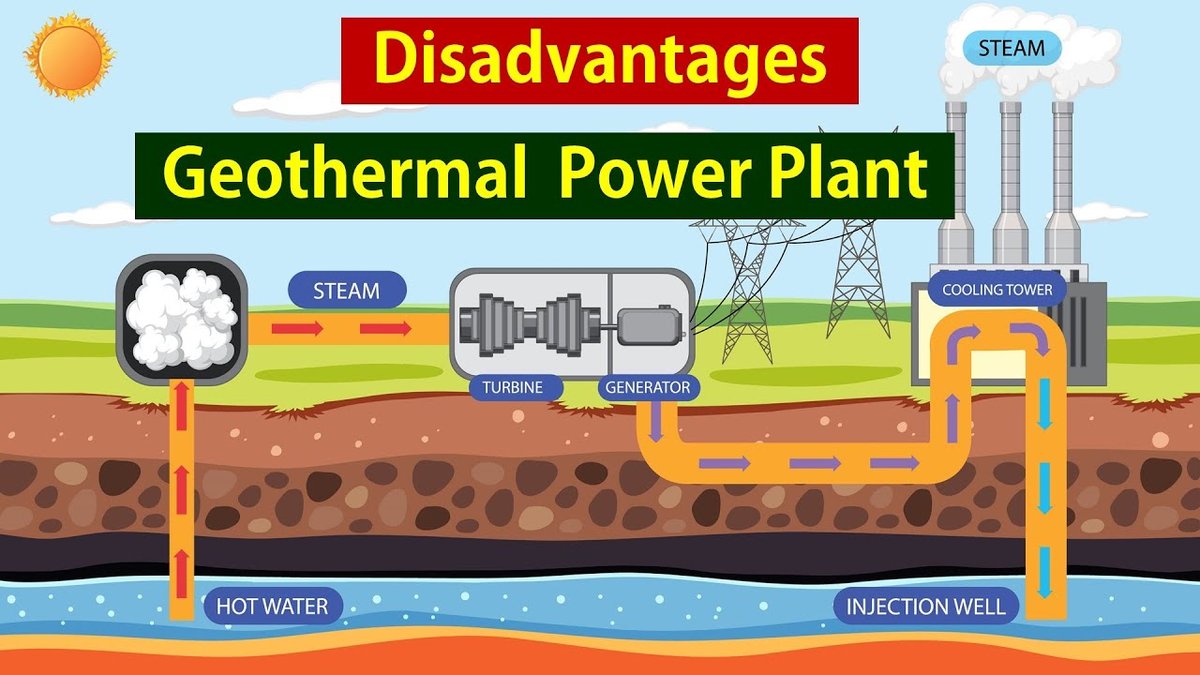
Tapping into the Earth’s heat isn’t cheap. The journey begins with extensive geological surveys and exploratory drilling, which require substantial upfront capital investment long before any energy is produced. This initial stage is fraught with financial risk; promising sites may ultimately yield insufficient energy due to unexpected subsurface conditions, leading to considerable sunk costs.
The specialized equipment and expertise needed for deep drilling and plant construction further inflate these expenses. Unlike some more predictable energy projects, the financial commitment in geothermal is a significant gamble on what lies miles beneath the surface. It’s an investment with potentially high returns, but equally high risks that can deter even well-funded developers.
Environmental Footprint: More Than Meets the Eye
While often celebrated for its low emissions, geothermal energy isn’t entirely without environmental concerns. One of the most talked-about issues is induced seismicity, where the injection of fluids deep underground, particularly in Enhanced Geothermal Systems (EGS), can trigger small, localized earthquakes. While typically minor, these tremors can be unsettling for nearby communities and have led to project delays or cancellations.
Beyond the shudders, there’s the potential for subsurface contamination from drilling fluids and the disturbance of naturally occurring radioactive materials like radon gas, a known carcinogen. Although modern plants employ closed-loop systems and reinjection to mitigate these risks, the possibility remains, demanding careful monitoring and robust environmental impact assessments. Moreover, while lower than fossil fuels, geothermal plants do release gases such as hydrogen sulfide, carbon dioxide, and methane, along with trace heavy metals, especially from older or open-loop systems. These emissions, though relatively small, highlight that no energy source is truly “zero-impact.”
Operational Realities: Geological Limitations and Performance Risks
Geothermal resources are inherently location-dependent, primarily found in tectonically active regions along areas like the Pacific Ring of Fire. This geographical constraint means geothermal isn’t a viable option everywhere, limiting its widespread scalability and accessibility. Even in prime locations, the process of extracting heat isn’t without its operational challenges.
A critical concern is thermal drawdown, where heat is extracted faster than the Earth can naturally replenish it. This phenomenon reduces reservoir efficiency over time, potentially rendering a site commercially unviable and cutting short a plant’s operational lifespan. Furthermore, the development timeline for geothermal projects is often extensive, stretched by lengthy permitting procedures, comprehensive environmental impact assessments, and the technical uncertainties associated with fluctuating subsurface temperatures. These factors contribute to long lead times, making geothermal a demanding long-term commitment.
Policy & Market Landscape: Battling for a Level Playing Field
Despite its clear advantages as a baseload renewable, geothermal energy often struggles to secure the consistent incentives and robust funding available to more mature renewables like solar and wind, or even traditional fossil fuels. This uneven playing field can make project development particularly arduous, prompting some to still Explore non-renewable energy advantages when evaluating overall energy portfolios.
The lack of strong, consistent policy support means geothermal projects frequently face tougher financial hurdles and higher perceived risks from investors. Competing in a market that often favors established technologies or those with more streamlined development pathways, geothermal needs stronger advocacy and more tailored financial mechanisms to unlock its full potential.
Why Understanding These Challenges Matters
Exploring these disadvantages and challenges isn’t about diminishing geothermal’s value; it’s about fostering a more informed, realistic approach to its development. By acknowledging these hurdles, we can drive innovation in technology, refine regulatory frameworks, and build more resilient project strategies.
This comprehensive hub will guide you through each of these critical areas, offering deeper insights into the complexities of harnessing the Earth’s hidden power. Each supporting pillar delves into specific challenges, offering a detailed look at the problems and potential solutions.
Ultimately, geothermal energy represents a vital component of a diversified renewable energy portfolio. Overcoming its inherent challenges requires increased public awareness, sustained technological development—especially in areas like Enhanced Geothermal Systems (EGS) and innovative uses for decommissioned oil wells—multidisciplinary collaboration, and supportive governmental policies. By confronting these realities head-on, we can ensure geothermal takes its rightful, powerful place in the future of sustainable energy.