The world runs on energy, and for decades, non-renewable resources have been the bedrock of our power grids, industries, and daily lives. But beneath this critical reliance lies a complex interplay of incredible efficiency and profound environmental and long-term challenges. Understanding the true disadvantages and advantages of non renewable resources is no longer an academic exercise; it’s essential for anyone grappling with our global energy future. This isn’t just about kilowatts and megajoules; it’s about economic stability, geopolitical strategy, and the very air we breathe.
At a Glance: Navigating the Non-Renewable Energy Landscape
Understanding the Dual Nature: Learn why non-renewable energy sources are both indispensable and unsustainable.
The Powerhouse Pros: Discover the core benefits that have made these resources the foundation of modern society.
The Unavoidable Cons: Grasp the significant environmental, health, and depletion risks associated with their use.
Fossil Fuels vs. Nuclear: Differentiate the unique trade-offs and impacts of each major type.
Future-Proofing Your Perspective: Gain insights into the looming depletion and the global shift towards alternatives.
Informed Decisions: Equip yourself with the knowledge to understand energy policies and personal consumption choices.
Our Current Power Equation: A Snapshot of Non-Renewable Dominance
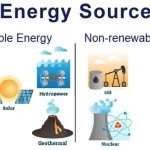
Non-renewable energy sources are those that exist in fixed quantities and cannot be replenished on a human timescale. Think of them like a bank account with a finite deposit: once the funds are spent, they’re gone. These sources, primarily fossil fuels and nuclear energy, are the engine of our modern world. They account for a staggering 95 percent of global electricity needs and nearly 85% of total energy consumption today. The U.S. Department of Energy even projects a 35 percent increase in their use by 2030, highlighting their continued, albeit unsustainable, centrality.
Let’s quickly define the key players:
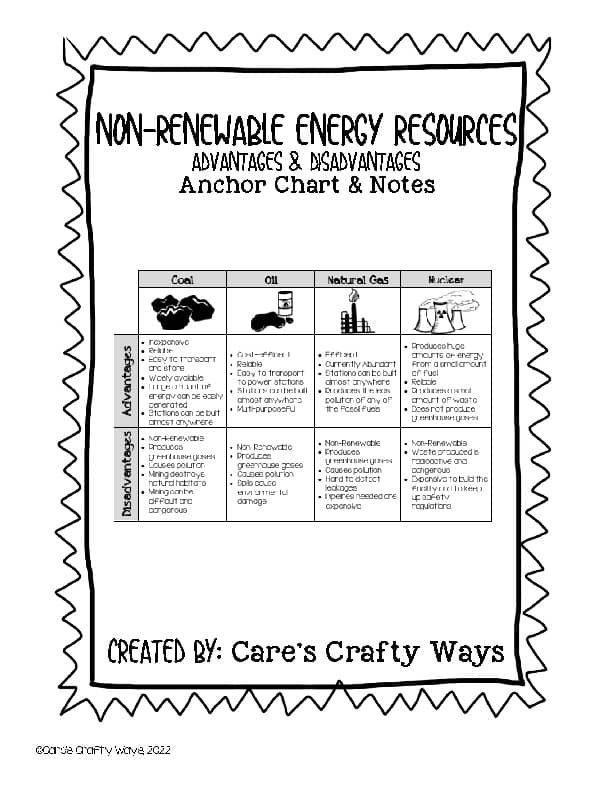
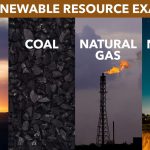
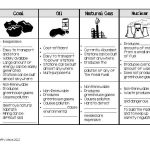
Fossil Fuels: Formed over millions of years from ancient organic matter compressed and heated deep within the Earth. Carbon is their primary element.
Coal: Hardened remnants of decomposed trees, plants, and ferns. It’s an abundant, if dirty, energy source.
Natural Gas: A cleaner-burning type of petroleum, often found with crude oil, used extensively for heating, electricity, and industrial processes.
Oil/Petroleum: Originating from decomposed smaller organisms like zooplankton and algae, it’s refined into fuels and countless petrochemical products.
Nuclear Energy: Harnesses the immense power released when atomic nuclei, typically Uranium-235, are split in a process called nuclear fission. It generates vast amounts of electricity without producing greenhouse gases during operation. Nuclear power currently contributes about 6% of the world’s energy and 13–14% of its electricity.
The Undeniable Strengths: Why Non-Renewables Have Ruled
For all their drawbacks, non-renewable resources offer compelling advantages that have driven industrialization and global development for centuries. These benefits are not to be underestimated when considering our present energy infrastructure.
High-Density Power, On-Demand Reliability
One of the most significant advantages of non-renewable resources is their incredible energy density and the sheer volume of power they can generate consistently. A single fossil fuel plant, for instance, can produce enough electricity to power homes and businesses across thousands of miles. This isn’t just about capacity; it’s about reliability. Unlike intermittent renewable sources such as solar or wind, fossil fuel plants and nuclear reactors can provide continuous, baseload power 24/7, regardless of weather conditions or time of day. This “always-on” capability is crucial for grid stability and meeting peak energy demands.
Economic Backbone and Established Infrastructure
Non-renewable resources, particularly fossil fuels, are currently highly affordable and accessible. Their abundance in many regions, coupled with centuries of investment in extraction, processing, transportation, and storage infrastructure, makes them relatively cheap to produce, import, and export. This well-oiled machine of supply chains and distribution networks means that most existing technologies—from cars to power plants—are designed to run on these fuels. This extensive economic ecosystem not only ensures a ready supply but also generates massive revenues, often enriching oil-rich nations and bolstering global economies. It’s a vast, interconnected system that supports millions of jobs worldwide.
Technological Compatibility and Scalability
The world’s industrial and residential infrastructure is largely built around the use of fossil fuels. From gasoline engines in vehicles to natural gas furnaces in homes, these energy sources are deeply integrated into our daily lives. This compatibility means that transitioning away from them requires massive, expensive overhauls, making their continued use practical and often preferred in the short term. Furthermore, power generation from these sources is highly scalable; new plants can be built and brought online relatively quickly to meet growing demand, a flexibility that’s harder to achieve with some renewable technologies.
The Inherent Costs: Unpacking the Disadvantages of Non-Renewable Resources
Despite their immediate utility, the long-term disadvantages of non-renewable resources are profound, ranging from environmental degradation to geopolitical instability and looming resource depletion. These are the costs that future generations will bear.
The Finite Reality: Depletion and Scarcity
The most fundamental disadvantage is inherent in the name itself: non-renewable. These resources are finite. Oil, natural gas, and coal reserves, though vast, are being consumed at a rate far exceeding their geological formation. It takes millions of years for fossil fuels to form, making their consumption on a human timescale utterly unsustainable. Experts predict that existing oil, coal, and natural gas reserves could be significantly depleted within decades, necessitating a radical shift in our global energy strategy. This impending scarcity creates market volatility, drives up prices, and fuels geopolitical tensions over remaining resources.
Environmental Pollution: The Shadow of Fossil Fuels
Burning fossil fuels releases a cocktail of pollutants into the atmosphere, with far-reaching environmental and health consequences.
Climate Change Drivers: The primary culprit is carbon dioxide (CO2), a potent greenhouse gas that traps heat and contributes significantly to global warming and climate change. Along with carbon monoxide (CO) and other greenhouse gases, these emissions are altering global weather patterns, leading to more extreme events, rising sea levels, and ecosystem disruption.
Acid Rain and Air Quality: The combustion of fossil fuels also releases nitrous gases and sulfur dioxides. These compounds react with water and oxygen in the atmosphere to form nitric and sulfuric acids, leading to acid rain. Acid rain damages forests, acidifies lakes and rivers, harms aquatic life, and corrodes buildings. In urban areas, these pollutants contribute to severe air pollution, including the formation of smog (photochemical smog) like that frequently seen in major cities such as Beijing, New York, and New Delhi. This pollution directly impacts human respiratory health and overall quality of life.
While the immediate benefits of non-renewable energy, such as those discussed in Advantages of non-renewable energy, are significant, understanding these environmental costs is crucial for a complete picture of their societal impact.
The Double-Edged Sword of Nuclear Energy: Waste and Risk
Nuclear energy stands apart from fossil fuels by not emitting carbon dioxide during operation. However, it carries its own distinct set of severe disadvantages. The fission process utilizes radioactive elements, primarily Uranium, which results in highly radioactive waste products. This nuclear waste remains dangerous for hundreds to thousands of years, posing immense challenges for safe, long-term disposal. Any leaks from storage facilities or faulty disposal can have dire, long-lasting consequences, contaminating groundwater and soil, rendering areas uninhabitable for generations. Furthermore, the risk, however small, of nuclear accidents (like Chernobyl or Fukushima) carries catastrophic potential, both environmentally and for human life.
Health, Safety, and Logistical Burdens
The extraction and transportation of non-renewable resources are fraught with health, safety, and logistical challenges.
Worker Health and Safety: Extracting fossil fuels from mines or drilling operations exposes workers to hazardous conditions and harmful substances, contributing to chronic illnesses and accidents. The industry also faces accusations of exploitation in certain regions.
Transportation Risks: Moving vast quantities of crude fuels, especially oil, across oceans and continents poses significant risks. Oil spills, like the infamous Deepwater Horizon incident, can devastate local ecology, causing long-term damage to marine life, coastlines, and dependent industries such like fishing and tourism.
Infrastructure Demands: Maintaining large reserves of fuel to keep power stations operational is expensive and requires extensive land or storage facilities, adding to the environmental and financial footprint.
Balancing the Scales: Navigating the Energy Trilemma
Understanding the disadvantages and advantages of non-renewable resources brings us face-to-face with the “energy trilemma”: balancing energy security, affordability, and environmental sustainability. Non-renewables have historically excelled at the first two, providing reliable and often cheap power, but they dramatically fall short on the sustainability front.
Policymakers and energy planners around the world are grappling with how to effectively transition away from a system heavily reliant on these finite, polluting sources without compromising energy access or economic stability. This isn’t a simple switch but a complex, decades-long endeavor involving massive investments in new technologies, infrastructure, and international cooperation. Innovations like carbon capture and storage for fossil fuels, or advancements in safer, smaller nuclear reactors, aim to mitigate some of the disadvantages, but these solutions are still evolving.
Your Practical Playbook for an Energy-Informed Future
As an expert, it’s clear that we can’t simply flip a switch. Here’s how to think practically about the ongoing reliance and eventual transition from non-renewable resources:
For Communities and Policymakers: Strategic Energy Diversification
Assess and Diversify: Conduct thorough energy audits to understand current reliance on non-renewables. Develop long-term plans for a diversified energy portfolio that gradually integrates more renewables while maintaining grid stability with existing non-renewable assets. For instance, a community heavily dependent on coal might invest in natural gas as a bridge fuel, alongside significant solar and wind projects.
Invest in Grid Modernization: Recognize that current infrastructure is optimized for centralized, non-renewable generation. Future-proofing requires smart grids, energy storage solutions, and distributed generation to handle a more varied energy mix.
Incentivize Responsible Practices: Implement policies that promote carbon capture technologies, safe nuclear waste disposal research, and strict environmental regulations for existing fossil fuel operations to minimize their impact.
For Businesses: Risk Mitigation and Future Planning
Evaluate Supply Chain Resilience: Businesses reliant on specific non-renewable fuels should assess the long-term availability and price volatility risks. Diversifying energy suppliers or exploring on-site renewable generation can hedge against future shortages or cost spikes.
Embrace Efficiency and Innovation: Investing in energy-efficient operations and exploring new technologies (e.g., electric vehicle fleets, smarter building management) can reduce overall consumption and reliance on volatile non-renewable markets.
Consider Brand and Compliance: Recognize that consumer and regulatory pressures for sustainability are growing. Proactively shifting towards cleaner energy sources can enhance brand reputation and ensure compliance with evolving environmental standards.
For Individuals: Informed Choices and Advocacy
Understand Your Energy Footprint: Be aware of where your electricity comes from and how your transportation and consumption habits contribute to non-renewable energy demand. Simple changes, like improving home insulation or opting for public transport, can make a difference.
Support Policy Shifts: Engage with local and national policies that promote renewable energy, invest in modern grid infrastructure, and address the environmental impacts of non-renewables. Your voice contributes to the larger energy transition.
Invest Smartly: If you’re an investor, consider companies that are innovating in renewable energy or actively transitioning away from heavily polluting non-renewable practices.
Quick Answers: Dispelling Common Misconceptions
Q: Are non-renewable resources really running out soon?
A: While estimates vary, the consensus is that oil, coal, and natural gas, particularly the easily accessible reserves, are expected to be significantly depleted within decades, not centuries. This doesn’t mean they’ll disappear overnight, but their economic viability and accessibility will diminish rapidly, making extraction increasingly costly and environmentally damaging. Q: Is nuclear energy completely “clean”?
A: No. While nuclear power plants do not emit greenhouse gases during operation, they produce highly radioactive waste that requires secure storage for thousands of years. The environmental impact of uranium mining and the potential for catastrophic accidents also mean nuclear energy is not without its own significant “dirty” aspects. Q: Why do we still rely so heavily on fossil fuels if they have so many disadvantages?
A: Primarily due to their high energy output, established and affordable infrastructure, and reliable, on-demand power generation capabilities. The global economy is deeply intertwined with fossil fuels, and transitioning away requires monumental investment, technological advancements, and political will to overcome the inertia of existing systems. Q: What’s the biggest challenge with non-renewable energy’s future?
A: The biggest challenge is simultaneously managing the rapid depletion of these resources and mitigating their severe environmental impacts, particularly climate change, while ensuring continued global energy security and economic stability during the transition to sustainable alternatives. It’s a race against time and environmental tipping points.
The Inevitable Shift: Planning for a Post-Non-Renewable World
The trajectory is clear: the era of abundant, easily accessible non-renewable resources is nearing its end. As coal use declines, nuclear power is poised to potentially become the second most used energy source globally, though its long-term viability hinges on addressing waste and safety concerns. Ultimately, renewable energy is destined to become the primary energy source.
This future isn’t a distant fantasy; it’s a rapidly approaching reality that demands proactive planning, technological innovation, and a fundamental shift in how we produce and consume energy. Understanding the nuanced disadvantages and advantages of non renewable resources is not just about historical context; it’s about making informed decisions today to build a resilient, sustainable energy future for tomorrow. The challenges are immense, but so are the opportunities to innovate and redefine our relationship with the planet’s resources.
I am a writer who loves renewable energy, with a focus on sustainable living, renewable energy, and eco-friendly innovation. With a passion for environmental awareness and a desire to explore the latest trends in green technology, corporate sustainability, and climate action. Through in-depth storytelling