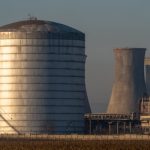
The convenience and affordability of non-renewable energy have fueled our world for centuries, enabling unprecedented progress and development. Yet, beneath this seemingly stable foundation lies a complex web of significant drawbacks. Understanding the disadvantages of non renewable resources isn’t just an academic exercise; it’s critical for shaping resilient energy strategies, protecting our planet, and ensuring long-term human well-being. These downsides touch everything from the air we breathe and the water we drink to global economies and geopolitical stability.
Finite Supply: Non-renewable resources are inherently limited, leading to eventual depletion, price volatility, and energy insecurity.
Environmental Degradation: Extraction, processing, and combustion cause widespread pollution of air, water, and land, impacting ecosystems and biodiversity.
Climate Change Catalyst: Burning fossil fuels is the primary driver of greenhouse gas emissions, accelerating global warming and its severe consequences.
Public Health Risks: Air pollutants released by non-renewable energy sources contribute to a spectrum of respiratory and cardiovascular diseases.
Economic & Geopolitical Vulnerabilities: Reliance on these resources makes nations susceptible to market fluctuations, supply chain disruptions, and international conflicts.
Hindrance to Transition: Continued heavy investment in non-renewables can divert critical resources and focus away from developing sustainable alternatives.
Understanding the Trade-Off: Why Non-Renewables Pose Challenges
Non-renewable energy sources, primarily fossil fuels (coal, oil, natural gas) and nuclear fuels (uranium), have undeniably powered industrial revolutions and modern societies. They offer high energy density and an established infrastructure, factors that have historically made them a go-to for Reliable, affordable non-renewable power. However, their formation over millions of years means they cannot be replenished on a human timescale. Once consumed, they are gone forever, a fundamental limitation that sets the stage for a cascade of disadvantages.
Let’s delve deeper into these critical drawbacks, examining how they manifest in environmental, economic, and social spheres, and what implications they hold for our future.
The Inevitable Drawdown: A Finite Supply
Perhaps the most fundamental disadvantage of non-renewable resources is right in their name: they are finite. This isn’t a theoretical concern for future generations; it’s a present reality influencing energy markets and national security strategies.
Eventual Depletion: Every barrel of oil, ton of coal, or cubic foot of natural gas consumed reduces the total available supply. While new reserves are still discovered, the rate of discovery has slowed, and extraction often becomes more challenging and expensive over time. The concept of “peak oil” (the point at which maximum extraction is reached, followed by decline) illustrates this looming reality, not just for oil but for all finite resources.
Resource Scarcity and Price Volatility: As accessible reserves dwindle, the remaining resources become more difficult and costly to extract. This scarcity inherently drives up prices, making energy less affordable and creating economic instability. Supply disruptions, whether due to geopolitical events or natural disasters, can trigger dramatic price spikes, directly impacting consumers and industries globally. Think of the gas price surges following international conflicts—a direct reflection of our dependence on a finite, globally traded commodity.
Long-Term Energy Security Risks: Nations heavily reliant on imported non-renewable resources face significant energy security risks. A disruption in supply lines or a shift in the policies of exporting nations can cripple an economy. This dependency often forces countries into complex geopolitical alliances or conflicts, prioritizing access to these vital fuels. The search for domestic sources, even environmentally costly ones, often stems from this drive for energy independence.
Environmental Scars: The Ecological Price Tag
Beyond their finite nature, the environmental impact of non-renewable resources stands as their most profound disadvantage. From extraction to combustion, these processes leave indelible marks on our planet.
Climate Change: The Grand Challenge
The burning of fossil fuels (coal, oil, natural gas) is overwhelmingly the largest contributor to global greenhouse gas emissions.
Carbon Dioxide (CO2) Overload: When fossil fuels are combusted for electricity, transportation, or industrial processes, they release massive amounts of stored carbon into the atmosphere as carbon dioxide. This CO2 acts as a heat-trapping gas, intensifying the Earth’s natural greenhouse effect. Since the Industrial Revolution, atmospheric CO2 concentrations have surged by over 50%, primarily due to fossil fuel use.
Global Warming and Extreme Weather: The increased CO2 and other greenhouse gases lead to a measurable rise in global average temperatures—global warming. This warming doesn’t just mean hotter days; it fuels more frequent and intense extreme weather events. We see this in more powerful hurricanes, prolonged droughts, destructive wildfires, and heavier rainfall causing floods. These events devastate communities, disrupt agriculture, and strain infrastructure.
Rising Sea Levels and Ocean Acidification: Melting glaciers and ice sheets, coupled with the thermal expansion of warming ocean water, are causing sea levels to rise. This threatens coastal cities and ecosystems, leading to increased flooding and erosion. Furthermore, the oceans absorb a significant portion of atmospheric CO2, leading to ocean acidification. This change in water chemistry is highly detrimental to marine life, particularly organisms like corals and shellfish that rely on calcium carbonate for their shells and skeletons.
Air We Breathe: Public Health at Risk
The combustion of fossil fuels doesn’t just release CO2; it also emits a cocktail of harmful conventional pollutants directly impacting air quality and human health.
Toxic Pollutants: Key culprits include sulfur dioxide (SO2), nitrogen oxides (NOx), particulate matter (PM2.5), carbon monoxide (CO), and volatile organic compounds (VOCs). These are released from power plants, vehicle exhausts, and industrial facilities.
Respiratory and Cardiovascular Illnesses: Inhaling these pollutants can lead to a range of severe health problems. Particulate matter, for instance, can penetrate deep into the lungs, causing asthma, bronchitis, emphysema, and even lung cancer. NOx and SO2 contribute to smog formation, exacerbating respiratory conditions and increasing the risk of cardiovascular diseases, heart attacks, and strokes. The World Health Organization (WHO) estimates that air pollution is responsible for millions of premature deaths globally each year.
Water Contamination & Ecosystem Damage
The journey of non-renewable resources from the ground to consumption is rife with opportunities for water pollution.
Oil Spills: Accidental spills from tankers, offshore drilling rigs, or pipelines can devastate marine and freshwater ecosystems. Crude oil coats wildlife, destroys habitats, and introduces toxic chemicals into the food chain, with long-lasting ecological and economic consequences. The Deepwater Horizon oil spill in 2010, for example, released millions of barrels of oil into the Gulf of Mexico, with impacts still felt today.
Mining Wastewater: The extraction of coal and other minerals often generates vast quantities of wastewater contaminated with heavy metals (like mercury, lead, and arsenic), sulfates, and other toxic substances. If not properly treated, this water can leach into groundwater or surface rivers, poisoning drinking water sources and harming aquatic life. Fracking for natural gas also uses and produces large volumes of chemically laden water, posing risks of groundwater contamination if not managed carefully.
Land Degradation: Scarring the Landscape
The physical act of extracting non-renewable resources profoundly alters landscapes and destroys natural habitats.
Habitat Destruction and Biodiversity Loss: Practices like open-pit mining, strip mining, and especially mountaintop removal mining for coal involve the wholesale removal of landforms and vegetation. This leads to irreversible habitat loss, displacing or eradicating countless species of plants and animals. The process also causes widespread soil erosion and runoff into waterways, further degrading remaining ecosystems.
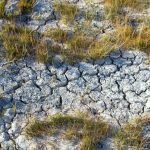
Long-Term Landscape Alteration: These mining operations often leave behind vast tracts of barren, scarred land, struggling to support life. Rehabilitation efforts are costly, time-consuming, and often only partially successful in restoring ecological function. This permanent alteration of the landscape has significant aesthetic and recreational impacts as well.
Acid Rain: A Silent Destroyer
Sulfur dioxide and nitrogen oxides, primarily from coal-fired power plants and industrial emissions, react in the atmosphere to form sulfuric and nitric acids. These acids then fall to Earth as acid rain.
Damage to Forests and Lakes: Acid rain acidifies soils and water bodies. In forests, it leaches essential nutrients from the soil, damages leaves, and weakens trees, making them more susceptible to disease and insect infestations. In freshwater lakes and streams, it raises acidity levels, harming fish and other aquatic organisms, sometimes to the point of complete ecosystem collapse.
Infrastructure and Health Impacts: Acid rain also corrodes buildings, historical monuments, and infrastructure (like bridges), causing significant economic damage. While not directly harmful to humans in the way air pollution is, the pollutants that cause acid rain still pose direct health risks.
Economic & Geopolitical Vulnerabilities
Beyond environmental costs, heavy reliance on non-renewable resources introduces significant economic instability and geopolitical tensions.
Price Volatility: Riding the Rollercoaster
The global market for fossil fuels is notoriously volatile, driven by a complex interplay of supply, demand, and unpredictable external factors.
Geopolitical Tensions: Conflicts, political instability in major producing regions, or diplomatic disputes can instantly impact supply, leading to sharp price increases. For example, conflicts in the Middle East have historically caused oil price spikes, creating economic shocks globally.
Natural Disasters: Hurricanes in the Gulf of Mexico can shut down oil and gas production platforms, while extreme weather elsewhere can disrupt transportation networks, impacting supply and prices.
Market Dynamics: Decisions by major producing cartels (like OPEC+) to increase or decrease output can dramatically sway global prices, often for political or economic leverage rather than purely market-based reasons. This unpredictability makes long-term economic planning challenging for nations and businesses alike.
Resource Extraction Conflicts & Social Tensions
The lucrative nature of non-renewable resources can breed conflict, both localized and international.
Land Use and Water Rights: Extraction projects often require vast tracts of land and significant amounts of water, leading to disputes with local communities, Indigenous populations, and agricultural interests. Issues of displacement, inadequate compensation, and environmental justice frequently arise.
Social Tensions and Displacement: The “resource curse” phenomenon describes how countries rich in non-renewable resources can paradoxically suffer from slower economic growth, increased inequality, and corruption due to the immense wealth generated by these industries. Furthermore, the industrial nature of extraction can disrupt traditional livelihoods and social structures.
High Costs for Pollution Control: While technologies exist to mitigate some of the environmental impacts (e.g., scrubbers for power plant emissions, carbon capture and storage (CCS) for CO2), they come with substantial capital and operating costs. These investments are often mandated by regulations, increasing the overall cost of energy production and potentially making non-renewable options less competitive without subsidies.
Energy Dependence and National Security
Many countries lack sufficient domestic reserves of fossil fuels, making them dependent on imports.
Geopolitical Leverage: This dependency creates vulnerability, as exporting nations can use their energy resources as a tool for political influence. Import reliance also exposes nations to the economic and security risks of global supply chain disruptions.
Diversion of Resources: Investing heavily in non-renewable energy infrastructure, even for domestic sources, means diverting capital, research, and political will away from developing truly sustainable alternatives. This creates a feedback loop, reinforcing reliance on the very resources that pose long-term risks.
The Opportunity Cost: Hindering the Energy Transition
Perhaps one of the more subtle yet critical disadvantages of non-renewable energy is its potential to delay the inevitable global transition to a sustainable energy system.
“Lock-in” Effect: Once substantial investments are made in power plants, pipelines, and refineries designed for fossil fuels, there’s a strong incentive to continue using them to recoup costs. This creates a “lock-in” effect, making it harder and more expensive to switch to cleaner alternatives, even as their viability improves.
Resource Allocation: Research and development funds, government subsidies, and private investments continue to flow into non-renewable energy projects. While some argue this provides stability during a transition, critics contend it diverts crucial capital and intellectual resources that could accelerate the development and deployment of renewable technologies like solar, wind, and geothermal.
Missed Innovation Opportunities: A continued focus on refining existing non-renewable technologies, rather than pioneering new renewable solutions, means potentially missing out on innovations that could provide cleaner, cheaper, and more abundant energy in the long run.
Practical Playbook: Mitigating Disadvantages and Accelerating Transition
Given these profound disadvantages, what practical steps can be taken by governments, industries, and individuals?
Prioritize Energy Efficiency: The cheapest and cleanest energy is the energy we don’t use.
Industrial Sector: Implement advanced process controls, waste heat recovery systems, and high-efficiency motors.
Buildings: Promote stricter building codes for insulation, efficient HVAC systems, and smart energy management.
Transportation: Encourage public transport, electric vehicles, and fuel-efficient personal vehicles.
Invest in Carbon Capture and Storage (CCS): For sectors where fossil fuel use is currently unavoidable (e.g., heavy industry), CCS technologies can capture CO2 emissions before they enter the atmosphere and store them underground. While costly and still developing, it offers a potential partial solution for certain hard-to-decarbonize industries.
Strengthen Regulations and Enforcement: Implement and rigorously enforce environmental regulations on emissions, wastewater discharge, and land reclamation for non-renewable energy operations. This forces industries to internalize some of the external costs of pollution.
Diversify Energy Portfolios: Governments and utilities should actively invest in and incentivize a diverse mix of renewable energy sources (solar, wind, hydro, geothermal) to reduce reliance on any single type of fuel and enhance energy security.
Promote International Cooperation: Addressing climate change and resource scarcity requires global collaboration on technology sharing, carbon pricing mechanisms, and frameworks for sustainable resource management.
Consumer Choices and Advocacy: Individuals can contribute by choosing energy-efficient appliances, reducing consumption, supporting renewable energy initiatives, and advocating for policies that promote clean energy and environmental protection.
Quick Answers: Your Non-Renewable Disadvantage FAQ
Q: Are all non-renewable resources equally bad for the environment?
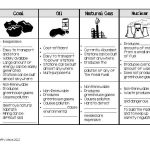
A: No. While all fossil fuels contribute to climate change and pollution, their impacts differ. Coal, for example, generally has a higher carbon footprint and produces more conventional air pollutants (like sulfur dioxide and particulate matter) per unit of energy than natural gas. Natural gas, composed mainly of methane, is cleaner-burning but methane leakage during extraction and transport is a potent greenhouse gas. Nuclear power does not emit greenhouse gases during operation but faces challenges with radioactive waste and accident risk. Q: Can technology solve all the disadvantages of non-renewable resources?
A: Technology can mitigate some disadvantages, but not all. Innovations like carbon capture and storage (CCS) can reduce emissions from fossil fuel power plants, and cleaner combustion technologies improve air quality. However, technology cannot solve the fundamental problem of finite resources; once they’re gone, they’re gone. It also cannot fully address issues like habitat destruction from mining or the geopolitical tensions inherent in resource dependency. Q: What’s the single biggest disadvantage of non-renewable resources?
A: While finiteness is foundational, their contribution to climate change is arguably the most pervasive and urgent disadvantage. It threatens global ecosystems, human health, economies, and livelihoods on an unprecedented scale, impacting generations to come. Q: How do these disadvantages impact my everyday life?
A: These disadvantages manifest in various ways: higher energy bills due to price volatility, health issues from air pollution, increased frequency and intensity of extreme weather events, and even geopolitical instability that can affect global economies and supply chains. They also impact the natural environments we rely on for clean water, food, and recreation.
The Imperative for a New Energy Path
The journey powered by non-renewable resources has brought us far, but the increasing weight of its disadvantages demands a strategic pivot. From the irreversible depletion of finite reserves to the existential threat of climate change and the ongoing toll on public health, the costs are escalating. Understanding these challenges isn’t about discarding non-renewable energy overnight, but about informing a deliberate, swift, and equitable transition. Our focus must shift decisively towards conservation, efficiency, and the widespread adoption of renewable energy sources to secure a sustainable, resilient, and healthier future for everyone.
I am a writer who loves renewable energy, with a focus on sustainable living, renewable energy, and eco-friendly innovation. With a passion for environmental awareness and a desire to explore the latest trends in green technology, corporate sustainability, and climate action. Through in-depth storytelling