Navigating our global energy landscape demands a clear-eyed view of every option. When we talk about powering our homes, industries, and transportation, the pros and cons of non renewable energy sources often spark intense debate. While these fuels have undeniably shaped our modern world, understanding their full impact is crucial for informed decisions about our future energy mix.
At a Glance: Key Considerations for Nonrenewable Energy
Established Reliability: Nonrenewables offer a stable, on-demand power supply foundational to current infrastructure.
Finite Supply: These resources are depleting, raising long-term sustainability questions.
High Energy Density: They pack a lot of power into a small volume, making them highly efficient for generation.
Significant Environmental Footprint: Extraction and combustion contribute heavily to pollution and climate change.
Economic Stability (and Vulnerability): They drive massive economies but also expose nations to volatile global markets.
Technological Maturity: Decades of development mean advanced extraction, processing, and power generation techniques.
The Foundation of Our Power: A Quick Look at Nonrenewable Sources
Nonrenewable energy sources are, by definition, finite. They are resources that formed over millions of years and cannot replenish quickly enough to match human consumption. This fundamental characteristic defines much of the discussion around their use.
The primary nonrenewable sources include:
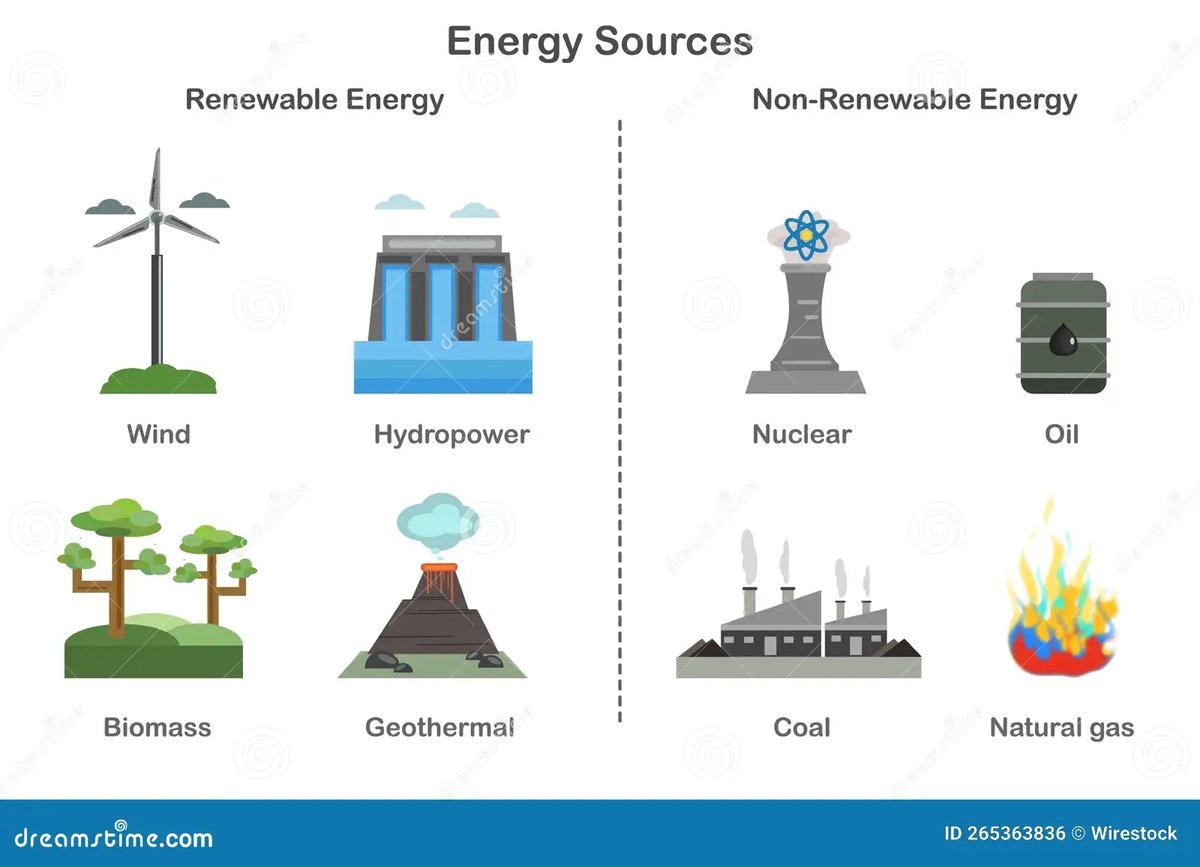
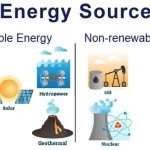
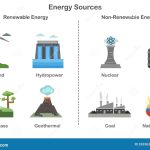
Fossil Fuels: The most widespread, these include petroleum (crude oil), coal, and natural gas. Formed from ancient organic matter under immense heat and pressure, they are rich in carbon and provide the bulk of the world’s energy.
Nuclear Energy: Generated by splitting atoms, typically Uranium-235, through fission. While immensely powerful and carbon-free during operation, Uranium-235 is a rare and finite resource, categorizing nuclear power as nonrenewable.
Biomass (Conditional): Though often considered renewable, biomass can become nonrenewable if harvested faster than it can be replanted. For the purpose of this discussion, we focus on its potential to deplete if mismanaged, though its primary classification is typically renewable.
These energy types have powered industrial revolutions, fueled transportation networks, and enabled widespread access to electricity, fundamentally shaping modern society. Understanding their dual nature – the undeniable benefits alongside significant drawbacks – is key to charting a responsible energy course.
The Powerhouse Argument: Advantages of Nonrenewable Energy
Nonrenewable energy sources didn’t become dominant by accident. Their inherent qualities offer compelling advantages that have made them indispensable components of our energy infrastructure for generations.
Reliability and Uninterrupted Supply
One of the strongest arguments for nonrenewable energy is its sheer reliability. Unlike solar or wind power, which are intermittent and depend on weather conditions, fossil fuel and nuclear power plants can generate electricity continuously, on demand, 24/7. This consistency is vital for maintaining grid stability and meeting peak energy demands, ensuring that hospitals, factories, and homes have power precisely when they need it. Research shows fossil fuels contribute 66% of the world’s electricity and satisfy around 95% of total energy needs, showcasing their critical role in providing a stable baseline power supply.
Established Infrastructure and Cost-Effectiveness
Most countries have invested heavily in energy infrastructures built around nonrenewable sources. From vast networks of pipelines and power lines to refineries and power plants, the systems are already in place. This existing infrastructure means that the continued operation and maintenance of these systems are often cheaper than the substantial upfront capital required to build entirely new renewable energy grids from scratch. For instance, the cost of transitioning to an entirely new energy system can be prohibitive for developing nations without significant external investment.
High Energy Density and Efficiency
Nonrenewable fuels pack a significant amount of energy into a relatively small volume. This “energy density” means they can generate immense power efficiently. A single ton of coal, for example, can generate enough electricity to power a typical home for months. Modern natural gas power plants, utilizing combined cycle technology, can achieve efficiencies up to 60%, converting a high percentage of the fuel’s energy into electricity. This makes them highly effective for large-scale power generation.
Substantial Economic Contributions
The nonrenewable energy industry is a global economic behemoth. It creates millions of jobs, from extraction and processing to transportation and power generation. Revenue generated from these industries, particularly in resource-rich nations, contributes significantly to national GDPs, funding public services, infrastructure development, and education. This economic engine provides stability and growth in many regions worldwide.
Scalability and Flexibility in Meeting Demand
Nonrenewable power sources offer remarkable scalability and flexibility. Power plants can quickly ramp up or down their output to match fluctuating energy demands, a crucial capability for managing grid loads. They are also highly versatile, used not only for electricity generation but also for heating, transportation (gasoline, diesel), and as feedstock for a vast array of industrial processes, from plastics to pharmaceuticals. This adaptability makes them foundational to diverse sectors.
Energy Independence and Market Stability
For countries with abundant domestic reserves of coal, oil, or natural gas, nonrenewable energy can offer a pathway to energy independence, reducing reliance on foreign imports and bolstering national security. Furthermore, a well-established global market with robust trade networks for these fuels provides a degree of market stability, competitive pricing, and the ability to secure long-term supply contracts. For a deeper dive into these and other benefits, you can explore the broader discussion on the Advantages of non-renewable power.
Technological Advancements and EROI
The long history of using nonrenewable energy has spurred continuous technological innovation. This includes advancements in extraction techniques (like directional drilling), cleaner-burning engine technologies, and the development of carbon capture and storage (CCS) technologies aimed at mitigating environmental impacts. Historically, these sources have also offered a high Energy Return On Investment (EROI), meaning the energy obtained is significantly greater than the energy expended to extract and process it.
The Cost to the Planet and Humanity: Disadvantages of Nonrenewable Energy
While the advantages of nonrenewable energy are compelling, the disadvantages present a profound challenge, impacting our environment, health, and long-term sustainability.
Environmental Degradation and Climate Change
This is arguably the most significant drawback. The extraction, processing, and combustion of fossil fuels lead to widespread environmental degradation. Open-pit mining for coal, for instance, can devastate entire landscapes and ecosystems, while oil drilling can contaminate water and soil. The burning of fossil fuels is the largest source of carbon dioxide (CO2) and other greenhouse gas emissions, directly contributing to global warming, rising sea levels, and an increase in the frequency and severity of extreme weather events. Oil leaks, whether from pipelines or tanker spills, can have catastrophic, long-lasting impacts on marine life and coastal ecosystems, as seen with incidents like the Deepwater Horizon spill.
Finite Resources and Unsustainability
The fundamental issue with nonrenewable sources is their finite nature. These reserves will eventually deplete. Their formation takes millions of years, a timescale incompatible with human consumption rates. Our current high rate of consumption is simply unsustainable in the long term, creating an existential challenge for future generations. This reality necessitates a transition to alternative, sustainable energy sources.
Air Pollution and Public Health Impacts
The combustion of fossil fuels releases a cocktail of harmful pollutants into the atmosphere, including sulfur dioxide (SO2), nitrogen oxides (NOx), particulate matter, and volatile organic compounds. These pollutants contribute to smog and acid rain, which damage forests, buildings, and agricultural crops. More critically, they are directly linked to severe public health issues such as respiratory diseases (asthma, bronchitis), cardiovascular conditions, lung cancer, and premature deaths, especially in urban areas close to industrial sites.
Toxic and Non-Degradable Waste
Nuclear energy, while not emitting greenhouse gases during operation, produces highly radioactive waste. This waste remains toxic for thousands, even hundreds of thousands of years, posing immense challenges for safe, long-term storage. Exposure to this waste can cause severe burns, increased cancer risks, bone decay, and blood diseases. Similarly, residual products from some fossil fuel combustion, like coal ash, also contain heavy metals and other toxic substances that are non-degradable and can pollute groundwater if not properly managed.
Significant Accident Risks
The entire lifecycle of nonrenewable energy production carries inherent risks of accidents. Fossil fuel extraction and transport are prone to incidents such as oil spills from tankers or pipelines, ground subsidence and underground fires in coal mines, and induced seismicity (mini-earthquakes) from natural gas fracturing (fracking). Nuclear accidents, though rare, can have devastating and widespread consequences, as tragically demonstrated by Chernobyl and Fukushima, leading to massive evacuations, contaminated zones, and long-term health impacts.
Economic Vulnerability and Dependency
Heavy reliance on nonrenewable energy, especially imported fossil fuels, makes economies vulnerable to volatile price fluctuations on the global market. Geopolitical tensions, conflicts in producing regions, or natural disasters can disrupt supply chains and cause sudden price spikes, leading to economic instability and inflation. Energy-importing countries are particularly susceptible to these external shocks, impacting everything from consumer costs to industrial production.
Resource Extraction Conflicts
The pursuit of nonrenewable resources can often lead to conflicts, both localized and international. Disputes over land use, water rights, and the ownership of valuable resources frequently result in social and political tensions, displacement of indigenous communities, and human rights violations. These conflicts can destabilize regions and create humanitarian crises, underscoring the broader societal costs of resource extraction.
High Costs for Pollution Control and Remediation
While initial costs for nonrenewable infrastructure might be lower, the long-term costs associated with mitigating their environmental and health impacts can be substantial. Significant investments are required for pollution control technologies—such as scrubbers to remove sulfur dioxide, filters for particulate matter, and cutting-edge carbon capture and storage (CCS) systems. These technologies add to the overall cost of energy production and are often passed on to consumers or subsidized by taxpayers. Remediation of contaminated sites and public health costs associated with pollution also represent significant, often hidden, expenses.
Delayed Transition to Renewable Energy
Continued substantial investment in existing nonrenewable infrastructure and technologies can inadvertently slow down the necessary transition to more sustainable energy sources. Economic and political momentum can become entrenched, diverting financial resources, research efforts, and policy focus away from the development and adoption of renewable energy technologies. This delay can lock in long-term carbon emissions and exacerbate climate change.
Weaponizable Materials
A unique and grave risk associated with nuclear energy is the potential for the misuse of its materials. Uranium-235, if enriched to higher levels, can be used to create nuclear weapons, posing a significant global security threat. This risk necessitates stringent international safeguards and monitoring, adding another layer of complexity to nuclear power development.
The Balancing Act: Practical Considerations for Decision Makers
Understanding the stark pros and cons of non renewable energy sources is one thing; making practical decisions in a complex world is another. Here’s a pragmatic look at navigating this reality.
Assessing Immediate Needs vs. Long-Term Goals
Decision-makers often face the dilemma of meeting immediate energy demand reliably and affordably, while simultaneously planning for a sustainable future. For many nations, nonrenewable sources offer the quickest path to grid stability and economic output. The challenge lies in integrating long-term environmental and resource depletion costs into these immediate decisions.
Scenario Snippet: A developing nation experiences rapid urbanization and needs to rapidly expand its electricity grid. While renewable options are attractive, a natural gas power plant offers faster deployment, lower initial cost, and reliable base load power, bridging the gap while long-term renewable projects are phased in. This is a common trade-off.
Phased Transition Strategies
Few countries can simply flip a switch and abandon nonrenewable energy. A more realistic approach involves a phased transition, gradually reducing reliance on fossil fuels while scaling up renewable alternatives. This requires strategic planning, significant investment in grid modernization, and policies that encourage innovation.
Actionable Step: Implement carbon pricing mechanisms to internalize environmental costs, making renewables more competitive. Simultaneously, invest in smart grid technologies that can better integrate intermittent renewable sources.
Investing in Carbon Capture and Storage (CCS)
For some, especially industries heavily reliant on fossil fuels (e.g., cement, steel), CCS technologies present a path to reduce emissions while maintaining operations. While still nascent and costly, advancements in CCS could mitigate some environmental damage, buying time for a full transition.
Pitfall to Avoid: Viewing CCS as a silver bullet that negates the need for renewable energy development. It should be seen as one tool in a larger mitigation strategy, not a substitute for decarbonization.
Diversifying the Energy Mix
A robust energy strategy doesn’t put all its eggs in one basket. Relying solely on one energy source, renewable or nonrenewable, creates vulnerabilities. A diversified mix, leveraging the strengths of different technologies, enhances energy security and resilience. This might include nuclear, natural gas with CCS, hydropower, solar, and wind, tailored to regional resources and needs.
Quick Answers: Common Questions and Misconceptions
“Are all fossil fuels equally bad for the environment?”
No, there’s a spectrum. Coal, particularly lower-grade types, typically produces the most CO2 emissions and particulate matter per unit of energy. Natural gas, primarily methane, burns cleaner than coal and oil, releasing less CO2 and fewer pollutants during combustion. However, methane leakage during extraction and transport is a significant greenhouse gas issue.
“Can’t technology solve all the problems with nonrenewable energy?”
Technology can mitigate some problems, like reducing emissions with scrubbers or improving extraction efficiency. Carbon capture and storage (CCS) aims to reduce CO2 from power plants. However, technology cannot solve the fundamental problem of finite resources or fully eliminate accident risks. Moreover, many technological solutions (like CCS) are expensive and energy-intensive themselves.
“Is nuclear energy truly clean?”
Nuclear energy is “clean” in the sense that it produces virtually no greenhouse gas emissions during operation, unlike fossil fuels. However, it generates highly radioactive waste that requires extremely long-term, secure storage. It also carries the risk of catastrophic accidents, though these are rare. So, while it avoids air pollution, it has unique and significant environmental challenges.
“Why don’t we just switch to renewables immediately?”
A rapid, immediate switch is impractical due to several factors:
Infrastructure: The sheer scale of replacing existing nonrenewable infrastructure (power plants, grids, pipelines) is monumental.
Intermittency: Most renewables (solar, wind) are intermittent, requiring robust storage solutions and grid upgrades that are still developing.
Cost: The upfront capital investment for a full transition would be astronomical.
Reliability: Nonrenewables currently provide critical base load power and grid stability that renewables cannot yet consistently match on their own. The transition must be gradual and strategic.
Forging a Balanced Energy Path
The journey to a sustainable energy future is complex, marked by trade-offs and crucial decisions at every turn. While nonrenewable energy sources have been the engine of modern progress, their inherent limitations and environmental toll demand a strategic shift. Understanding the complete picture—the robust reliability and economic output alongside the undeniable environmental degradation and finite supply—empowers us to champion an energy mix that serves both our present needs and the imperative of a thriving future. Our collective task now is to manage the decline of nonrenewables responsibly while accelerating the growth of sustainable alternatives, ensuring a resilient and clean energy supply for generations to come.
I am a writer who loves renewable energy, with a focus on sustainable living, renewable energy, and eco-friendly innovation. With a passion for environmental awareness and a desire to explore the latest trends in green technology, corporate sustainability, and climate action. Through in-depth storytelling