The relentless hum of our modern world runs largely on an invisible current: the energy we extract from the Earth. For generations, non-renewable sources have been the backbone of industrial progress, offering seemingly endless power. Yet, a closer look reveals a troubling ledger of costs, making the “negatives of non renewable energy” not just an environmental concern, but an urgent economic and societal reckoning that demands our immediate attention. We’re facing down climate havoc, deep financial strains, and a looming resource crisis that puts our future prosperity at risk.
At a Glance: Understanding the True Cost
- Climate & Environmental Damage: Unpacking how fossil fuels drive global warming, extreme weather, and widespread pollution.
- Economic Instability: Exploring the volatility of energy markets and the geopolitical dependencies created by finite resources.
- Resource Depletion: Confronting the reality that these finite sources will eventually run out, impacting long-term energy security.
- Public Health Risks: Identifying the direct health consequences tied to air and water pollution from extraction and combustion.
- Infrastructure Challenges: Recognizing the aging systems that require constant investment and carry inherent environmental risks.
- Path Forward: Highlighting actionable strategies for policymakers, industries, and individuals to transition to a sustainable future.
The Foundation of Our Energy Dilemma: A Quick Primer
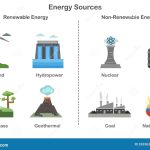
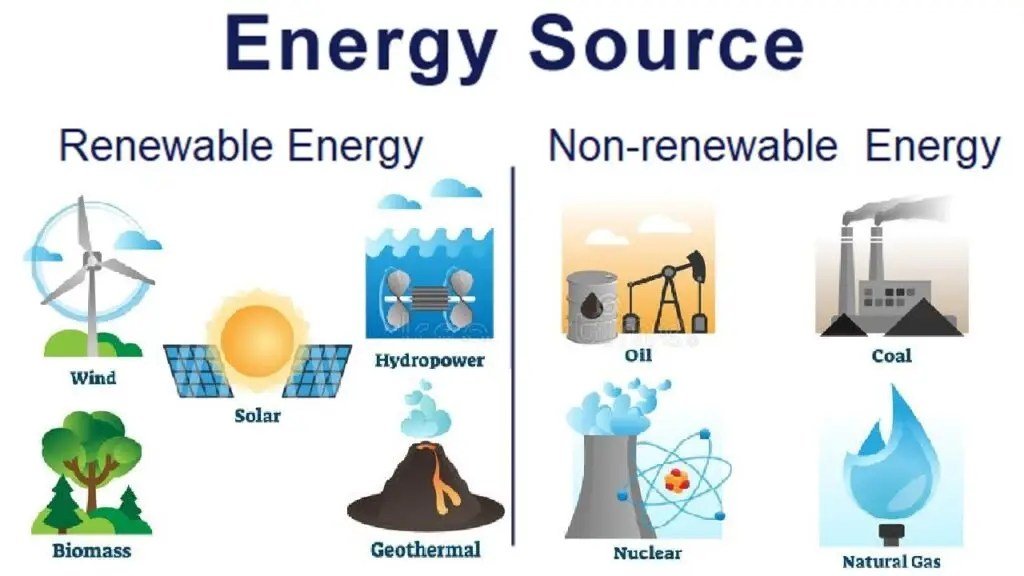
Before we delve into the impacts, it’s worth a brief recap: non-renewable energy sources are finite. These include fossil fuels—coal, oil, and natural gas, formed over millions of years from ancient organic matter—and nuclear fuels like uranium. Historically, their high energy density and established infrastructure have positioned them as the primary drivers of global economies. While their historical role has been significant, offering robust power infrastructure and contributing to economic growth—indeed, highlighting the Advantages of non-renewable energy has been a cornerstone of global development—it’s crucial to understand the increasingly severe consequences now facing us. The very systems that powered our ascent are now presenting daunting challenges that threaten to undermine that progress.
The Environmental Fallout: A Warming Planet and Polluted Ecosystems
The most pronounced of the negatives of non renewable energy is their indelible mark on our planet. The burning of fossil fuels, in particular, unleashes a cascade of environmental destruction, reshaping our climate and poisoning our natural resources.
Fueling Climate Change: Beyond the Thermometer
Fossil fuels stand as the single largest contributor to anthropogenic greenhouse gas (GHG) emissions, accounting for over 75% of global GHGs and a staggering 90% of carbon dioxide emissions. Since 1970, these emissions have steadily climbed, accelerating global climate change and pushing our planetary systems to their limits. The impacts are no longer theoretical; they are tangible and catastrophic.
- Extreme Weather Events: We’re witnessing an increase in the frequency and intensity of heatwaves, droughts, floods, and superstorms. In Europe alone, weather and climate-related losses exceeded EUR 650 billion (USD 704 billion) between 1980 and 2022, with the last two years marking unprecedented highs. This isn’t just about property damage; it disrupts entire societies.
- Food Insecurity: The direct link between climate change and human well-being is stark. In 2022, extreme weather events like prolonged heat waves and devastating floods led to 98 million more people experiencing moderate or severe food insecurity compared to the 1981-2010 average. Crop yields fall, supply chains fracture, and the most vulnerable populations suffer disproportionately.
- Ecosystem Collapse: Rising global temperatures contribute to species extinction, ocean acidification, and the destruction of vital ecosystems like coral reefs and rainforests, which are critical for biodiversity and carbon sequestration. Each lost species represents a permanent reduction in Earth’s natural resilience.
Local Scars: From Mines to Waterways
The environmental degradation extends far beyond atmospheric changes. The very processes of extracting and transporting non-renewable resources leave lasting scars on landscapes and local communities.
- Land Degradation and Habitat Loss: Coal mining, particularly mountaintop removal, obliterates entire ecosystems and reshapes topography, while oil and gas drilling can fracture pristine wilderness. These activities destroy critical habitats, displace wildlife, and leave behind barren or contaminated land that struggles to recover for generations.
- Pollution from Extraction: Oil spills, like the infamous Deepwater Horizon incident, devastate marine life and coastal communities. Fracking operations, used to extract natural gas, raise concerns about groundwater contamination and localized seismic activity. These aren’t isolated incidents; globally, active oil and gas pipelines, stretching 1.3 million miles as of 2020, average 76,000 barrels of oil leaked annually in the US since 1986. Each leak, large or small, adds to the cumulative damage.
- Transportation Emissions: The vast network required to move fossil fuels—from tankers traversing oceans to trucks crisscrossing continents—is itself a significant emitter. The global shipping industry, for instance, contributes 2.8% of global greenhouse gas emissions, a substantial footprint often overlooked in direct combustion figures.
Air We Breathe, Water We Drink: Immediate Health Threats
Beyond climate change, the direct release of pollutants from burning fossil fuels poses immediate and severe threats to human health and local environments.
- Air Pollution: The combustion of coal, oil, and gas releases harmful particulate matter, sulfur dioxide (SO2), nitrogen oxides (NOx), and volatile organic compounds (VOCs). These pollutants are responsible for urban smog, acid rain, and a range of serious health issues including respiratory diseases (like asthma and bronchitis), cardiovascular conditions, and various forms of cancer. Cities with high concentrations of industrial activity or heavy traffic often bear the brunt of these impacts, leading to shortened life expectancies and diminished quality of life.
- Water Contamination: Wastewater from mining operations often contains heavy metals and toxic chemicals that leach into rivers and groundwater. Oil spills, whether from offshore drilling platforms or transport vessels, devastate aquatic ecosystems and contaminate drinking water sources for coastal communities. The long-term cleanup is often incomplete, leaving a legacy of pollution.
- Acid Rain: Sulfur dioxide and nitrogen oxides react in the atmosphere to form sulfuric and nitric acids, which fall as acid rain. This damages forests, acidifies lakes and streams (harming fish and other aquatic life), and corrodes buildings and infrastructure, adding to maintenance costs.
The Unstable Price Tag: Economic Volatility and Geopolitical Strings
Reliance on non-renewable energy sources, particularly fossil fuels, introduces a dangerous level of economic volatility and geopolitical risk. Their finite nature and uneven distribution across the globe make them a constant source of tension and market manipulation.
Riding the Rollercoaster: Energy Market Instability
The price of fossil fuels is notoriously volatile, swayed by a complex interplay of supply and demand, geopolitical events, and market speculation. This instability creates significant challenges for national economies and household budgets alike.
- Price Shocks and Economic Recessions: Sudden spikes in oil prices can trigger inflation, increase manufacturing costs, and reduce consumer spending, often contributing to economic slowdowns or recessions. Conversely, dramatic price crashes, like the one witnessed in 2020, can devastate energy-producing regions and industries. For instance, the oil and gas sector alone experienced significant job losses during that period, highlighting the fragility of economies tied too tightly to these commodities.
- Budgetary Uncertainty: Governments and businesses struggle to plan effectively when energy costs fluctuate wildly. This makes long-term investment decisions difficult, slowing economic growth and innovation. Utilities, in particular, face immense pressure to balance affordable rates with the unpredictable costs of their fuel inputs.
- Impact on Vulnerable Populations: When energy prices soar, low-income households disproportionately bear the burden, struggling to afford heating, cooling, and transportation. This exacerbates energy poverty and deepens social inequalities.
The Geopolitical Chessboard: Dependencies and Conflicts
The uneven global distribution of fossil fuel reserves creates intricate webs of dependency and competition, often fueling international tensions and conflicts.
- Energy Insecurity: Nations heavily reliant on importing fossil fuels are vulnerable to supply disruptions, price manipulation, and political leverage from exporting countries. This insecurity can compromise national sovereignty and economic stability, forcing difficult diplomatic choices.
- Geopolitical Tensions: Competition for control over strategic energy reserves and transit routes has historically been a significant driver of international conflict and proxy wars. Regions rich in oil and gas often become flashpoints, as global powers vie for influence and access to these critical resources.
- Corruption and Resource Curse: In many resource-rich developing nations, the vast revenues generated by fossil fuel extraction can lead to corruption, authoritarianism, and a neglect of other economic sectors, a phenomenon often termed the “resource curse.” This can hinder long-term sustainable development and perpetuate cycles of instability.
The Finite Clock: Resource Depletion and Future Uncertainty
Perhaps the most fundamental negative of non renewable energy is inherent in its name: it is finite. Unlike the sun or wind, these sources are consumed faster than they are formed, leading inevitably to depletion.
Running on Empty: The Inevitable Drawdown
Fossil fuels and nuclear fuels exist in finite quantities beneath the Earth’s surface. While new reserves are still discovered, the rate of discovery often lags behind the rate of consumption.
- Peak Production: The concept of “peak oil” (or peak coal, peak gas) refers to the point at which the maximum rate of extraction is reached, after which production begins to decline. While predicting the exact timing is complex and debated, the underlying reality is that easily accessible, high-quality reserves are being depleted, requiring more effort and cost to extract remaining, often lower-grade resources.
- Rising Extraction Costs: As easily accessible reserves are exhausted, energy companies must increasingly resort to more complex, costly, and environmentally damaging extraction methods, such as deep-sea drilling, oil sands extraction, or fracking in challenging geological formations. These methods often have a lower Energy Return On Investment (EROI), meaning more energy is expended to get the energy out.
Long-Term Energy Security: A Looming Question
Resource depletion poses a severe long-term threat to global energy security, fundamentally questioning our ability to sustain current energy consumption patterns.
- Supply Shortages: As reserves diminish, the potential for significant supply shortages grows. This could lead to intense global competition for remaining resources, further exacerbating geopolitical tensions and driving up prices to unsustainable levels.
- Economic Disruption: A major energy crisis due to depletion would fundamentally disrupt global economies, impacting everything from transportation and manufacturing to food production and digital infrastructure. Without a viable, large-scale alternative, societies would face unprecedented challenges.
- Call for Diversification: The looming threat of depletion is a powerful impetus for nations to diversify their energy portfolios and aggressively invest in renewable sources. Relying on finite resources is a strategy with a built-in expiration date.
Public Health at Risk: The Human Cost of Combustion
We’ve touched on air pollution, but it’s crucial to emphasize the sheer scale of the public health crisis exacerbated by the negatives of non renewable energy. It’s not just a matter of environmental inconvenience; it’s about shortened lives and compromised well-being for millions.
- Respiratory Illnesses: Exposure to particulate matter and ground-level ozone (a component of smog) significantly increases the risk of asthma attacks, bronchitis, emphysema, and other chronic obstructive pulmonary diseases (COPD). Children and the elderly are particularly vulnerable.
- Cardiovascular Disease: Fine particulate matter from fossil fuel combustion can penetrate deep into the lungs and enter the bloodstream, contributing to heart attacks, strokes, and irregular heart rhythms. Research consistently links higher levels of air pollution to increased rates of cardiovascular mortality.
- Cancers: Various pollutants released during combustion, such as benzene and formaldehyde, are known carcinogens. Long-term exposure increases the risk of lung cancer, leukemia, and other forms of the disease.
- Neurological Impacts: Emerging research suggests links between air pollution exposure and neurological disorders, including increased risk of dementia and impaired cognitive development in children.
- Waterborne Diseases: Contamination of water sources from mining runoff or oil spills can lead to immediate health crises through direct ingestion or contact, causing gastrointestinal illnesses, skin irritations, and long-term toxic effects.
These health burdens translate into enormous healthcare costs, lost productivity, and a diminished quality of life, placing an invisible but immense economic strain on societies worldwide.
Aging Infrastructure: Hidden Costs and Ongoing Risks
The extensive infrastructure built around non-renewable energy sources—power plants, refineries, pipelines, storage facilities—represents a massive investment, but also an ongoing liability.
- Limited Lifespan and High Maintenance: Much of this infrastructure is decades old and has a limited operational lifespan. Maintaining these complex systems requires continuous, costly investment in repairs, upgrades, and safety protocols. Deferred maintenance can lead to catastrophic failures.
- Environmental and Safety Risks: Older infrastructure is inherently more prone to leaks, spills, and accidents. For example, aging pipelines can rupture, leading to environmental contamination and safety hazards for nearby communities. Nuclear power plants, while having a low probability of accidents, carry the risk of widespread, long-lasting radioactive contamination if an incident occurs.
- Stranded Assets: As the world transitions towards renewable energy, there’s a growing risk that existing non-renewable energy infrastructure could become “stranded assets”—investments that lose value or become obsolete before the end of their useful life. This poses a significant financial risk for companies and investors who continue to fund fossil fuel projects.
- Decommissioning Challenges: Decommissioning old power plants, especially nuclear facilities, is an incredibly complex, time-consuming, and expensive process, often leaving behind legacies of contaminated sites that require perpetual monitoring.
Practical Playbook: Shifting Towards a Sustainable Energy Future
Understanding the negatives of non renewable energy isn’t enough; we need actionable strategies to pivot towards a more sustainable and resilient energy future. The transition to renewable energy is not just an aspiration; it’s an economic imperative.
Policy Levers: Incentivizing Change
Governments have a critical role to play in accelerating the energy transition through smart policy design.
- Phasing Out Fossil Fuel Subsidies: Globally, fossil fuels still receive billions in subsidies, making them artificially cheaper and hindering the competitiveness of renewables. Redirecting these funds towards clean energy development would be a powerful signal.
- Implementing Carbon Pricing: Carbon taxes or cap-and-trade systems create a direct financial incentive for industries to reduce emissions, making fossil fuels more expensive and renewables more attractive.
- Investing in Renewable Infrastructure: Policymakers should prioritize investment in grid modernization, energy storage, and transmission lines to support the integration of variable renewable energy sources like solar and wind. This includes streamlining permitting processes for new clean energy projects.
- Setting Ambitious Targets: Clear, legally binding targets for renewable energy deployment and emissions reductions provide certainty for investors and drive technological innovation. 194 countries have agreed to triple renewable energy capacity by 2030, but current progress needs to accelerate.
Smart Consumption: Maximizing Energy Efficiency
The cheapest and cleanest energy is the energy we don’t use. Improving energy efficiency across all sectors offers immediate benefits.
- Building Standards: Implementing and enforcing stringent energy efficiency codes for new construction and mandating retrofits for existing buildings can drastically reduce energy consumption for heating, cooling, and lighting. Think LED lighting upgrades, improved insulation, and smart thermostats.
- Industrial Process Optimization: Industries can adopt more energy-efficient technologies and processes, optimizing production lines to minimize waste and energy intensity. This often involves investing in new machinery or redesigning operational workflows.
- Transportation Shifts: Promoting public transportation, cycling, walking, and the adoption of electric vehicles can significantly reduce demand for fossil fuels in the transport sector. This requires investment in charging infrastructure and public transit networks.
- Behavioral Change: Encouraging energy-saving habits at home and in the workplace, such as turning off lights, unplugging electronics, and using appliances efficiently, collectively contributes to substantial energy savings.
Global Partnership: A Collective Transition
The scale of the energy transition requires unprecedented global cooperation.
- Technology Sharing and Innovation: Wealthier nations must increase financial support and facilitate the transfer of low-carbon technologies to developing countries, enabling them to leapfrog fossil fuel dependency. This includes sharing best practices in renewable energy deployment and grid management.
- Standardization and Transparency: Global efforts to standardize transparency and comparability of energy projects can build trust and accelerate investment. This allows for better tracking of progress and identifying areas where support is most needed.
- Climate Finance: Meeting global climate goals requires a dramatic increase in climate finance, particularly for adaptation and mitigation efforts in developing nations. The IEA recommends a tripling of annual renewable energy investment by 2030, highlighting the massive financial commitment needed.
Quick Answers: Dispelling Common Misconceptions
Are all non-renewable energy sources equally harmful?
No. While all non-renewable sources are finite, their environmental and health impacts vary. Fossil fuels (coal, oil, natural gas) are the primary drivers of climate change due to their high greenhouse gas emissions. Nuclear power, while also non-renewable, produces very low operational carbon emissions, making it a low-carbon energy source. However, nuclear energy presents unique challenges related to radioactive waste disposal, safety risks, and the potential for severe, long-lasting consequences in the event of an accident.
Can technology solve all the negatives of non-renewable energy?
Technology can mitigate some negatives, but not all. Carbon capture and storage (CCS) technologies aim to reduce emissions from fossil fuel plants, but their effectiveness, scalability, and long-term storage safety are still debated and costly. Cleaner extraction methods can reduce local pollution. However, technology cannot address the fundamental issue of resource depletion—these resources are finite regardless of how efficiently they’re used. It also struggles to fully remediate the vast environmental damage from past and ongoing extraction.
What happens if we just run out of fossil fuels?
A sudden, complete depletion of fossil fuels would trigger an unprecedented global crisis. Transportation, manufacturing, agriculture, and electricity generation, which heavily rely on these fuels, would grind to a halt. This would lead to widespread economic collapse, food shortages, societal disruption, and potentially intense resource wars. The more realistic scenario is a gradual decline in accessible reserves, leading to increasingly high prices, supply instability, and a forced, potentially chaotic, transition to alternatives if proactive measures aren’t taken now.
Is nuclear power a “clean” non-renewable alternative?
Nuclear power is often considered “clean” in terms of air pollution because it doesn’t emit greenhouse gases during operation. This makes it a valuable component of many countries’ low-carbon energy strategies. However, it’s not without significant drawbacks. It relies on finite uranium resources, generates highly radioactive waste that requires secure storage for thousands of years, and carries the risk of severe accidents, as seen at Chernobyl and Fukushima. The entire lifecycle, from uranium mining to plant decommissioning, also has environmental impacts.
Charting a Course Beyond Fossil Fuels
The negatives of non renewable energy are no longer abstract warnings; they are concrete realities shaping our present and threatening our future. From the intensifying climate crisis to the volatile energy markets and the undeniable health burdens, the costs are escalating. Acknowledging these severe drawbacks is the first step toward decisive action.
The path forward demands a concerted, global effort: aggressive policy shifts that divest from fossil fuels and incentivize renewables, a relentless pursuit of energy efficiency across all sectors, and robust international cooperation to ensure a just and equitable transition. This isn’t just about protecting the planet; it’s about building a more stable, healthy, and prosperous future for everyone. The time to act decisively on these negatives, and to embrace the positives of a sustainable energy landscape, is now.