Our global society runs on energy, and for centuries, our most significant sources have been nonrenewable. Understanding the pros and cons for non renewable resources isn’t just an academic exercise; it’s crucial for shaping our energy policies, driving innovation, and securing a sustainable future. While these resources have powered industrial revolutions and modern life, their limitations and impacts are becoming increasingly clear, demanding a careful evaluation of their continued role.
Immediate Powerhouse: Nonrenewable sources offer unmatched reliability, scalability, and an established infrastructure, making them cornerstones of current global energy supply.
Economic Drivers: Their industries create millions of jobs and substantial revenue, funding innovation and economic growth across sectors.
Environmental Footprint: Fossil fuels are major contributors to climate change and pollution, while nuclear energy leaves a legacy of hazardous waste.
Finite Supply: By definition, these resources are exhaustible, meaning long-term reliance is unsustainable and will eventually lead to depletion.
Complex Trade-offs: Decision-makers face a constant challenge in balancing immediate energy needs, economic stability, and pressing environmental concerns.
Transition Imperative: While offering short-term benefits, the ultimate goal must be a strategic and sustained shift towards renewable alternatives.
What Defines Nonrenewable Energy? A Quick Overview
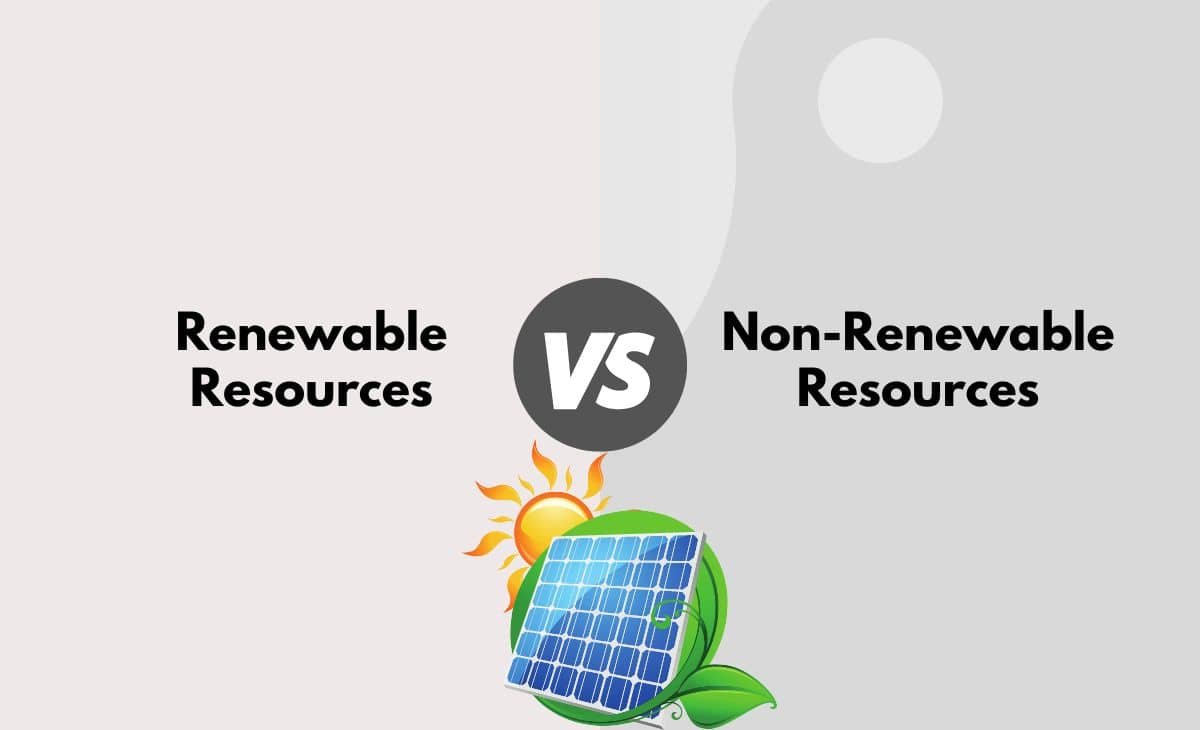
Before diving into the specifics, let’s clarify what we mean by “nonrenewable.” These are energy sources that cannot be replenished within a timeframe meaningful to human consumption—we’re talking millions of years for natural reformation. Their high rate of use far outstrips any natural regeneration.
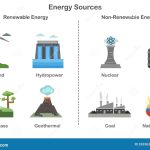
The primary types include:
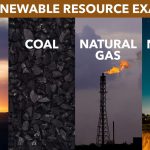
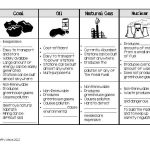
Fossil Fuels: Petroleum (crude oil), coal, and natural gas. These formed over 300 million years ago from ancient organic matter buried deep within the earth.
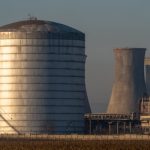
Nuclear Energy: Derived from the fission of atomic nuclei, primarily using Uranium (specifically the rare U-235 isotope), a finite material extracted from the Earth.
Biomass Energy (Conditional): While often considered renewable, biomass becomes nonrenewable if plants (like wood, soy, or corn used for fuel) are consumed or harvested faster than they can be replanted and regrown. For the purpose of this discussion, we’ll focus on the more commonly understood nonrenewable forms.
The Unyielding Strengths: Why Nonrenewable Resources Still Dominate
For all their drawbacks, nonrenewable resources remain the backbone of the global energy system. Their continued dominance stems from a potent combination of inherent advantages that have historically been difficult for alternatives to match. If you’re looking for a deeper dive into these strengths, consider exploring the foundational article on Non-renewable energy advantages.
Unmatched Reliability and Scale
Imagine an energy source that consistently delivers power, day or night, rain or shine, entirely independent of weather patterns. That’s the core promise of nonrenewable resources.
Consistent Supply: Unlike solar or wind, which fluctuate, fossil fuel and nuclear power plants can operate continuously, providing a stable “baseload” power essential for grid stability. This predictability is invaluable for critical infrastructure and uninterrupted industrial operations.
High Energy Density: Nonrenewable fuels pack a massive amount of energy into a relatively small volume. A kilogram of coal, for instance, holds significantly more energy than a kilogram of wood, and uranium far outstrips both. This density makes them incredibly efficient for large-scale power generation.
Scalability to Meet Demand: These systems are highly scalable. When demand spikes—perhaps during a heatwave causing increased air conditioning use—fossil fuel plants can quickly ramp up production to prevent blackouts. This flexibility is vital in modern grids.
Cost Efficiency and Established Infrastructure
One of the most compelling arguments for nonrenewable energy is its economic practicality, largely due to existing systems.
Lower Upfront Installation Costs: Building new wind farms or solar arrays can be capital-intensive. In contrast, leveraging existing power plants and transmission lines for fossil fuels often presents a lower immediate financial hurdle. The infrastructure is already there, refined over decades.
Moderately Cheap Extraction: While extraction costs vary, the long history of the fossil fuel industry has led to highly optimized and relatively cheap extraction processes in many regions. This keeps fuel costs competitive.
Easy Storage and Shipping: Coal can be stockpiled for months, natural gas can be stored in vast underground caverns, and petroleum is easily transported via pipelines, ships, and trucks. This logistical ease contributes significantly to supply security and affordability, reducing the need for costly, immediate grid balancing that variable renewables often require.
Economic Engines and Job Creation
The nonrenewable energy sector is a colossal economic force, creating jobs and driving prosperity across numerous industries.
Massive Job Provider: From engineers and miners to refinery workers and truck drivers, the fossil fuel and nuclear industries employ millions globally. These are often well-paying jobs that support entire communities.
Significant Revenue Generation: Governments collect substantial taxes and royalties from energy production, which are then reinvested into public services, infrastructure, or other economic development initiatives. This financial input is critical for national budgets.
Powering Industrial Growth: Reliable, affordable energy is the lifeblood of modern economies. Manufacturing, agriculture, transportation, and digital infrastructure all depend heavily on the consistent power supplied by nonrenewable sources, enabling sustained economic activity and growth.
Energy Security and Global Markets
For many nations, controlling access to energy resources is a matter of national security and economic stability.
Energy Independence: Countries with abundant domestic coal, oil, or natural gas reserves can achieve a degree of energy independence, reducing their reliance on foreign suppliers. This insulates them from geopolitical instability and price manipulation elsewhere.
Well-Established Global Market: There’s a mature, interconnected global market for fossil fuels, ensuring stable trade routes and competitive pricing. This market provides a safety net, allowing countries to import energy when domestic supplies are insufficient.
Driving Innovation and Bridging Transitions
While often seen as “old” technology, nonrenewable energy sectors have a long history of innovation, and their revenues can even support future transitions.
Technological Advancements: Decades of operation have spurred continuous improvements in extraction techniques (e.g., directional drilling for natural gas), processing efficiency, and crucially, pollution control technologies like scrubbers and carbon capture systems.
Funding Renewable Transitions: The substantial profits generated by nonrenewable energy companies can, and often do, fund research and development into renewable energy technologies. They can also invest directly in building out renewable infrastructure, acting as a crucial bridge during the energy transition.
The Steep Price: Understanding the Downsides of Nonrenewable Energy
While the advantages of nonrenewable energy are compelling and have shaped our world, the environmental, social, and long-term economic costs are becoming increasingly undeniable. Ignoring these downsides is no longer an option for responsible energy planning.
Environmental Strain and Climate Crisis
Perhaps the most recognized and pressing drawback, the environmental impact of fossil fuels is immense and far-reaching.
Greenhouse Gas Emissions: Burning fossil fuels releases vast quantities of carbon dioxide (CO2) and other greenhouse gases into the atmosphere. This traps heat, directly contributing to global warming and climate change, leading to rising sea levels, extreme weather events, and ecosystem disruption.
Air Pollution and Health Impacts: Beyond climate gases, burning fossil fuels releases pollutants like sulfur dioxide, nitrogen oxides, and particulate matter. These cause smog, acid rain, and severe respiratory issues, heart disease, and other health problems in human populations, especially near industrial areas.
Habitat Destruction and Oil Spills: Extraction processes, particularly strip mining for coal or offshore drilling for oil, can devastate ecosystems. Oil leaks and spills (like the Deepwater Horizon disaster) can contaminate vast stretches of oceans and coastlines, decimating marine life and coastal habitats for decades.
Mining Legacies: Coal mining, in particular, can lead to ground collapse, water contamination from acid mine drainage, and even long-burning underground fires that release toxic gases uncontrollably for years.
Hazardous Legacies: Waste and Safety Risks
Nuclear energy, while not emitting greenhouse gases during operation, presents its own unique and severe challenges related to waste and safety.
Extremely Toxic Radioactive Waste: Nuclear power plants produce highly radioactive waste that remains dangerous for tens of thousands of years. Safely storing and disposing of this waste is an ongoing, unsolved challenge, requiring highly secure, geologically stable facilities.
Severe Accident Potential: Though rare, nuclear accidents (e.g., Chernobyl, Fukushima) can have catastrophic consequences, rendering vast areas uninhabitable and posing long-term health risks (cancers, birth defects) to affected populations. The potential for such devastation necessitates stringent safety protocols and emergency preparedness.
Weaponization Risks: The materials used in nuclear energy, particularly uranium and plutonium, can be weaponized. This raises serious geopolitical and security concerns, requiring strict international oversight to prevent proliferation.
The Inevitable Depletion: Finite and Unsustainable
The fundamental definition of nonrenewable energy inherently points to its most critical long-term flaw: it will run out.
Finite Resources: Coal, oil, natural gas, and uranium exist in finite quantities within the Earth’s crust. While new reserves are sometimes discovered, the rate of discovery is declining, and readily accessible reserves are continually depleted.
Millions of Years to Reform: These resources take millions of years to form under very specific geological conditions. Our current consumption rate is orders of magnitude faster than any natural replenishment, making our reliance on them fundamentally unsustainable in the long run. The “peak oil” debate, though contentious, highlights this inherent limitation.
Economic Volatility and Geopolitical Instability
Heavy reliance on nonrenewable resources introduces significant economic and geopolitical vulnerabilities.
Price Fluctuations: Global oil and gas markets are notoriously volatile. Geopolitical tensions, natural disasters, or shifts in supply and demand can cause drastic price swings, impacting national economies, consumer costs (e.g., gas prices), and industrial profitability.
Supply Disruptions: Dependency on foreign energy sources creates energy insecurity. Political conflicts, trade disputes, or infrastructure attacks can disrupt supply chains, leading to shortages and economic instability. This pushes nations to seek energy independence or diversify sources.
High Costs for Mitigation: Addressing the negative impacts of nonrenewable energy requires substantial capital investment. This includes funding for pollution control technologies (e.g., scrubbers, filters, carbon capture and storage—CCS), environmental clean-ups, and healthcare costs associated with pollution-related illnesses.
Inefficiency and Delayed Transition
Even with technological advancements, nonrenewable energy systems have inherent inefficiencies that can hinder progress toward a greener future.
Energy Conversion Losses: A significant portion of the energy in fossil fuels is lost as heat during the conversion to electricity in power plants (often 30-40% in older plants, though modern combined cycle plants can reach 60%). This means a large part of the fuel never reaches the end-user.
Delayed Transition to Renewables: Continued, heavy investment in nonrenewable infrastructure and exploration can divert capital and political will from the crucial transition to sustainable, renewable energy sources. This “lock-in” effect makes it harder and more expensive to pivot away from fossil fuels.
Navigating the Trade-Offs: A Practical Playbook for Energy Decisions
Understanding the pros and cons for non renewable resources isn’t about choosing one side; it’s about making informed, strategic decisions in a complex energy landscape. This often involves navigating difficult trade-offs and considering the long-term implications of every choice.
Balancing Immediate Needs vs. Long-Term Sustainability
The most critical challenge is bridging the gap between today’s energy demands and tomorrow’s sustainable future.
The “Bridge Fuel” Concept: Natural gas is often cited as a “bridge fuel” because it burns cleaner than coal, producing less CO2 and fewer air pollutants. Transitioning from coal to natural gas can be a step toward lower emissions while renewable infrastructure scales up. However, its long-term role is debated due to methane leakage (a potent greenhouse gas) and the risk of delaying truly sustainable alternatives.
Strategic Decommissioning and Investment: Governments and utilities must carefully plan the gradual phasing out of older, less efficient fossil fuel plants, while simultaneously investing heavily in renewable generation and grid modernization. This often means running older plants for longer than ideal to maintain grid stability during the transition.
Investment Prioritization: Where to Put the Capital
Every dollar invested in energy infrastructure has long-term consequences.
Retrofitting vs. Replacing: Is it more cost-effective to retrofit existing fossil fuel plants with carbon capture technology, or to invest that capital into building new solar, wind, or battery storage projects? The answer often depends on local resources, existing grid capacity, and regulatory frameworks.
Grid Modernization: Regardless of the energy source, significant investment is needed in smart grids, energy storage, and transmission lines to integrate more variable renewable energy. This foundational work makes the transition smoother and more resilient.
Policy & Regulatory Influence
Government policies play a pivotal role in shaping the energy mix.
Carbon Pricing: Implementing carbon taxes or cap-and-trade systems can internalize the environmental costs of fossil fuels, making renewables more competitive. This incentivizes companies to reduce emissions or switch to cleaner sources.
Renewable Energy Standards: Mandates for a certain percentage of electricity to come from renewable sources (e.g., Renewable Portfolio Standards in the US) drive investment and innovation in the clean energy sector.
Subsidies and Incentives: Phasing out subsidies for fossil fuels and reallocating them to renewable energy and energy efficiency can accelerate the transition. Tax breaks for clean energy adoption can also spur consumer and business investment.
Case Snippets: Real-World Scenarios
Germany’s Energiewende: Germany committed to phasing out nuclear power post-Fukushima and reducing fossil fuel reliance. While rapidly expanding renewables, it still relies on coal for baseload power during the transition, illustrating the challenges of maintaining stability while shifting away from non-renewables.
Texas’s Grid Challenges: Texas, a major oil and gas producer, also leads in wind power. However, extreme weather events (like winter storm Uri) have exposed vulnerabilities in its largely independent grid, highlighting the need for robust, diverse, and resilient energy sources, regardless of type, and improved infrastructure to handle both traditional and renewable sources.
Quick Answers: Your Nonrenewable Energy FAQs
Are all forms of biomass considered nonrenewable?
Not inherently. Biomass energy is nonrenewable only when organic matter (like wood, corn, or soy) is consumed faster than it can be regrown or replenished. Sustainable forestry, for example, can make wood a renewable resource, but large-scale, rapid clear-cutting for fuel would classify it as nonrenewable.
Can carbon capture technology completely solve the climate issue with fossil fuels?
Carbon capture and storage (CCS) technology can significantly reduce carbon emissions from fossil fuel power plants and industrial processes. However, it’s not a complete solution. CCS is expensive, requires significant energy itself, and its long-term storage effectiveness and safety are still being evaluated. It’s considered a mitigation tool, not a panacea.
Is nuclear energy truly “clean” if it doesn’t produce greenhouse gases?
Nuclear energy is often lauded for its lack of direct greenhouse gas emissions during operation. However, it’s not entirely “clean” due to the production of highly toxic and long-lived radioactive waste, which poses significant disposal and safety challenges. The mining and processing of uranium also have environmental impacts. It’s a complex trade-off.
Why is existing infrastructure such a big “pro” for nonrenewable resources?
The vast, established infrastructure (power plants, transmission lines, pipelines, refineries) represents an enormous sunk cost—billions of dollars invested over decades. Leveraging this existing network means lower immediate capital expenditures for expansion or continued operation compared to building an entirely new renewable energy system from scratch. This makes nonrenewable energy immediately cheaper to deliver.
Charting a Resilient Energy Future
The journey through the pros and cons for non renewable resources reveals a complex energy reality. These resources have been indispensable in building our modern world, offering reliability, affordability, and economic growth that was, for a long time, unmatched. Yet, the price of this reliance—in environmental degradation, climate change, and the finite nature of the resources—is now undeniable and increasingly urgent.
Moving forward, the challenge isn’t to simply abandon nonrenewable resources overnight, but to manage a strategic, deliberate transition. This means making informed decisions that balance immediate energy needs with long-term environmental and social responsibilities. It requires continued innovation in both traditional and renewable sectors, smart policy frameworks, and a collective commitment to building a more resilient, sustainable energy future for generations to come.
I am a writer who loves renewable energy, with a focus on sustainable living, renewable energy, and eco-friendly innovation. With a passion for environmental awareness and a desire to explore the latest trends in green technology, corporate sustainability, and climate action. Through in-depth storytelling