The global energy landscape is undergoing a monumental shift, driven by an ever-increasing demand—reaching approximately 600 exajoules in 2022—and the undeniable reality of finite resources. Understanding the inherent advantages and disadvantages of renewable and nonrenewable energy sources is no longer an academic exercise; it’s a critical imperative for businesses, policymakers, and communities alike. The choices we make today about our energy mix will profoundly shape our environmental impact, economic stability, and long-term energy security.
This isn’t about choosing a single winner; it’s about strategically navigating a complex transition. While non-renewable sources have powered our past, their limitations are becoming increasingly apparent. Simultaneously, renewables offer a promising, yet challenging, path forward. This article delves into the practical implications of both, equipping you with the nuanced perspective needed to make informed decisions for a sustainable future.
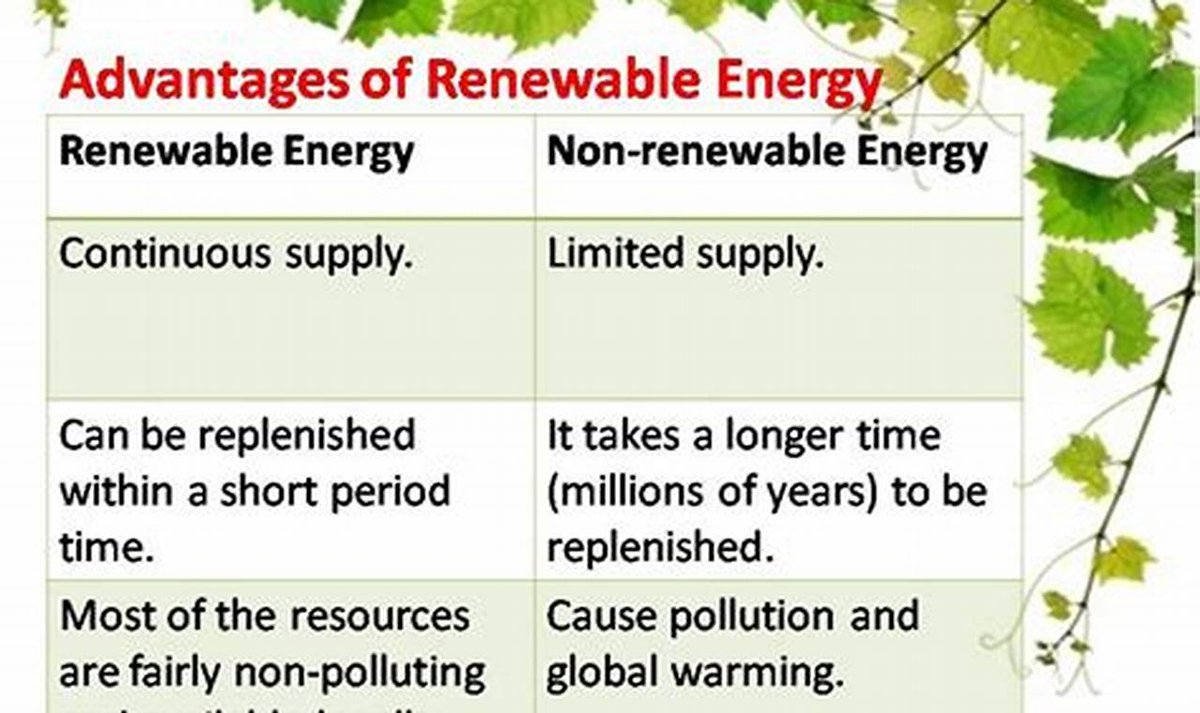
Finite vs. Infinite: Understand the fundamental difference in resource availability and its long-term impact on energy strategy.
Environmental Trade-offs: Compare the climate and pollution impacts of each source, from greenhouse gas emissions to radioactive waste.
Economic Considerations: Grapple with volatile fossil fuel prices versus high upfront renewable investments and declining operational costs.
Reliability & Security: Evaluate the dependable baseload power of non-renewables against the intermittency of many renewables and the need for robust grid infrastructure.
Technological Horizons: Appreciate the mature infrastructure of non-renewables against the rapid innovation and evolving challenges of renewable technologies.
The Powerhouses of the Past: Non-Renewable Energy Sources
Non-renewable energy sources are the titans that built the modern world. They are characterized by their finite supply, formed over millions of years, and historically, by their high energy density and ease of extraction. However, their legacy comes with significant environmental and economic baggage.
Fossil Fuels: The Backbone of Industrialization (and Its Cost)
Coal, oil, and natural gas, formed from ancient organic matter, have been the bedrock of industrial progress. Their extraction (mining for coal, drilling for oil and natural gas) and conversion technologies are mature and widespread. For instance, coal-fired plants, which accounted for approximately 36% of global electricity in 2022, use steam turbines, while natural gas increasingly powers more efficient combined-cycle plants.
Advantages:
High Energy Density: A small volume of fossil fuels can produce a large amount of energy, making them efficient for transportation and industrial processes.
Established Infrastructure: Decades of investment have created extensive global networks for extraction, processing, transportation, and consumption. This means reliable delivery and readily available technology.
Mature Technology: The systems for burning fossil fuels are well-understood, reliable, and relatively inexpensive to operate compared to developing new infrastructure. This ensures consistent power production, often referred to as baseload power.
Disadvantages:
Significant Greenhouse Gas Emissions: The primary drawback is the release of greenhouse gases, mainly CO2, during combustion. This is the leading contributor to climate change and its associated risks.
Air and Water Pollution: Beyond GHGs, burning fossil fuels releases pollutants like sulfur dioxide, nitrogen oxides, and particulate matter, leading to smog, acid rain, and respiratory illnesses. Extraction processes, such as oil drilling, also carry risks of catastrophic spills, like the Deepwater Horizon incident, causing widespread environmental damage.
Economic Volatility: Fossil fuel prices are subject to global market fluctuations, geopolitical tensions, and supply chain disruptions. This volatility impacts energy prices, creates economic uncertainty, and compromises energy security for importing nations.
Finite Supply & Environmental Damage: By definition, these resources are limited. Their extraction and transportation often lead to widespread habitat destruction, land degradation, and water contamination. While carbon capture and storage (CCS) technologies are emerging, they are currently costly and not widely deployed.
Nuclear Energy: High Yield, High Stakes
Nuclear energy harnesses the power of atomic fission, primarily using uranium, to generate heat and produce electricity. It’s a low-carbon baseload power source, accounting for roughly 10% of global electricity generation. Pressurized water reactors are a common design.
Advantages:
High Power Output & Small Footprint: Nuclear power plants generate immense amounts of electricity from a relatively small amount of fuel and require a comparatively small land area compared to many renewable installations.
Low Greenhouse Gas Emissions: Once operational, nuclear plants produce virtually no greenhouse gas emissions during electricity generation, making them a crucial tool in decarbonization efforts.
Reliable Baseload Power: Unlike intermittent renewables, nuclear power can run continuously for long periods, providing stable and predictable electricity to the grid.
Disadvantages:
Radioactive Waste Management: The most significant challenge is the long-term storage of highly radioactive waste, which remains hazardous for thousands of years. Secure, permanent disposal solutions are complex, costly, and politically contentious.
Catastrophic Accident Potential: Though rare, accidents like Chernobyl and Fukushima highlight the potential for widespread environmental contamination, human displacement, and severe health consequences. The inherent risks necessitate stringent safety protocols and robust regulatory oversight.
High Upfront Costs & Decommissioning: Building new nuclear power plants involves enormous capital investment, lengthy construction times, and complex regulatory hurdles. Decommissioning old plants is also an expensive and technically challenging process, with costs for new plants having risen sharply.
Security Concerns: The materials used in nuclear energy could potentially be diverted for weapons proliferation, raising significant national and international security concerns.
Forging the Future: Renewable Energy Sources
Renewable energy sources are continuously replenished by natural processes, offering a path to a sustainable energy future with minimal environmental impact. While they present challenges like intermittency and scalability, ongoing technological advancements are rapidly addressing these limitations.
Solar Power: Harnessing the Sun’s Bounty
Solar energy captures sunlight using either photovoltaic (PV) cells, which convert light directly into electricity, or concentrated solar power (CSP) systems, which use mirrors to focus sunlight to generate heat for steam turbines. Global installed solar PV capacity surpassed 1 terawatt in 2023.
Advantages:
Abundant, Limitless Resource: Sunlight is a universal and inexhaustible energy source, available globally.
Dramatically Declining Costs: The cost of solar PV technology has fallen sharply over the past decade, making it increasingly competitive with traditional energy sources.
Versatile Applications: Solar can be deployed at utility scale (solar farms), distributed (rooftop panels), or off-grid, offering flexibility for diverse energy needs.
No Operational Emissions: Once installed, solar panels produce electricity without releasing pollutants or greenhouse gases.
Disadvantages:
Intermittency: Solar energy is dependent on sunlight, meaning it’s unavailable at night, less efficient on cloudy days, and varies seasonally. This requires robust energy storage solutions (like batteries or pumped hydro) and sophisticated grid management for consistent supply.
Land Use: Large utility-scale solar farms can require significant land areas, potentially competing with agriculture or natural habitats.
Manufacturing Impacts: The production of solar panels, while improving, still involves energy-intensive processes and the use of certain chemicals, creating a lifecycle environmental footprint.
Efficiency & Storage Costs: While improving, the efficiency of converting sunlight to electricity is still lower than traditional thermal generation. High costs and space requirements for energy storage remain a hurdle for widespread, standalone adoption.
Wind Power: Catching the Invisible Current
Wind energy converts the kinetic energy of wind into electricity using turbines. Both onshore and offshore wind farms are deployed, with offshore installations often benefiting from more consistent and stronger wind speeds. Global wind power capacity reached approximately 837 gigawatts in 2022.
Advantages:
High Capacity Factors (Especially Offshore): Offshore wind farms can achieve high capacity factors, meaning they operate closer to their maximum potential output for longer periods due to more consistent wind.
Minimal Land Use (Offshore): Offshore installations free up valuable land resources, though they introduce challenges related to marine ecosystems.
Scalability: Wind power can be scaled from small, localized turbines to vast utility-scale farms, integrating effectively into diverse energy grids.
No Operational Emissions: Like solar, wind turbines generate electricity without releasing pollutants or greenhouse gases during operation.
Disadvantages:
Intermittency: Wind power is dependent on wind patterns, which are inherently variable. This necessitates effective grid management, forecasting, and energy storage solutions to ensure stable power supply.
Visual & Noise Impact: Onshore wind farms can be perceived as visually intrusive by some communities, and the turbines can generate noise pollution.
Wildlife Impact: Wind turbines pose a risk to bird and bat populations, though advancements in turbine design and siting strategies are mitigating these concerns.
Manufacturing & Logistics: Manufacturing and transporting the massive components of wind turbines can have environmental impacts and pose logistical challenges. Efficiency and storage costs mirror those of solar in terms of current limitations.
Hydropower harnesses the energy of flowing water, typically through turbines. Large dam projects offer not only electricity but also benefits like flood control and irrigation. Run-of-river plants, conversely, have minimal environmental impact by diverting a portion of a river without large reservoir creation. Pumped hydro storage systems utilize excess energy to pump water uphill for later generation. Hydropower accounted for roughly 16% of global electricity generation in 2022.
Advantages:
Reliable and Predictable: Once established, hydropower is highly reliable and often predictable, especially for large dam projects with regulated water flow. It can also quickly respond to changes in electricity demand.
Long Operational Lifespans: Hydropower infrastructure, particularly dams, can have operational lifespans of 50 to 100 years or more with minimal maintenance compared to other energy technologies.
Multiple Benefits: Beyond electricity, dams provide flood control, irrigation for agriculture, and recreational opportunities.
No Operational Emissions: Hydropower generates electricity without releasing pollutants or greenhouse gases.
Disadvantages:
Ecosystem Alteration: Large dam projects can drastically alter river ecosystems, disrupting fish migration, changing water temperatures, and impacting biodiversity.
Sedimentation & Reservoir Capacity: Over time, reservoirs behind dams can accumulate sediment, reducing their storage capacity and operational efficiency.
Community Displacement & Dam Failure Risks: Dam construction can lead to the displacement of local communities and, in rare but catastrophic cases, dam failure can cause immense destruction.
High Initial Costs: While operational costs are low, the initial capital investment for large dam projects can be substantial, and the environmental damage from some projects can be significant.
Beyond the Big Three: Emerging Renewables
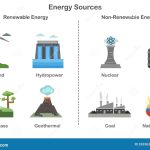
Other renewable sources hold unique promise, though they often face specific challenges:
Geothermal Energy: Uses Earth’s internal heat for power generation, offering reliable baseload power but limited to specific geological locations.
Biomass Energy: Converts organic matter into fuel, but concerns exist about sustainable sourcing and air quality impacts.
Tidal and Wave Energy: Harnesses ocean power, offering predictable energy but facing high infrastructure costs and technological hurdles in harsh marine environments.
Navigating the Trade-Offs: A Comparative Playbook
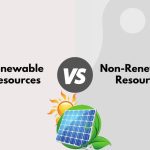
Making sound energy decisions requires a holistic view, integrating environmental, economic, security, and social factors. The choice isn’t binary but often involves balancing the advantages and disadvantages of renewable and nonrenewable energy within a diversified portfolio.
The starkest contrast lies in environmental impact. Fossil fuels are the primary drivers of climate change and local air/water pollution. Nuclear offers low operational emissions but presents the unique challenge of radioactive waste. Renewables, while clean in operation, have lifecycle impacts from material extraction, manufacturing, transportation, and eventual disposal. Lifecycle Assessments (LCAs) are crucial for truly understanding the full environmental cost from “cradle to grave.” For example, the manufacturing of solar panels requires energy, and the disposal of older panels is an emerging concern, though often less impactful than fossil fuel combustion.
The economics of energy are complex. Fossil fuels have established, relatively low upfront capital costs for power plants (though extraction costs can be high), but their operational costs are tied to volatile global fuel prices. This volatility creates economic uncertainty and can be a significant drag on national economies heavily reliant on imported fossil fuels.
Renewables, conversely, typically require high initial investment for infrastructure (e.g., solar farms, wind turbines, hydropower dams) but boast significantly lower, often near-zero, operational costs once installed, leading to long-term savings. The global investment in renewable energy exceeding $1 trillion in 2023 underscores a clear market shift. Government policies—such as subsidies, tax incentives, and carbon pricing—play a crucial role in shaping the economic viability and competitiveness of both energy types. For a deeper dive into how non-renewable energy sources have historically offered a foundation of reliability and affordability, you might want to Explore non-renewable advantages. This foundational stability, however, is increasingly challenged by external costs like environmental damage and climate change.
Energy Security: Diversification vs. Dependence
Energy security is a national priority. Reliance on imported fossil fuels makes countries vulnerable to geopolitical instability, supply disruptions, and price shocks. The transition to renewables can significantly enhance energy security by diversifying domestic energy sources, reducing dependence on external actors, and localizing power generation. However, the intermittency of some renewables requires sophisticated grid management, robust energy storage solutions, and effective demand-side management to maintain grid stability and prevent blackouts.
Technological Maturity & Future Innovation
Fossil fuel technologies are mature and highly efficient, honed over centuries. However, they are now largely constrained by environmental regulations, dwindling resources, and the rapidly increasing competitiveness of renewables. Research and development in the fossil fuel sector increasingly focuses on emission reduction technologies like CCS.
Conversely, renewable energy technologies are still in a phase of rapid innovation. Breakthroughs in energy storage (e.g., battery technology, pumped hydro, green hydrogen), improvements in solar panel efficiency, and advanced wind turbine designs are continuously lowering costs and improving performance. R&D is also exploring new harvesting technologies and smarter grid systems to integrate diverse renewable sources seamlessly.
Social & Community Impact: Jobs, Land Use, Public Acceptance
The shift to renewables presents both opportunities and challenges for communities. The renewable transition is a significant job creator across its value chain—from manufacturing and installation to operations and maintenance. However, it also has implications for jobs in the traditional fossil fuel sector, necessitating equitable transition policies and retraining programs to support affected workers.
Public acceptance is critical for the deployment of large-scale energy projects, whether non-renewable or renewable. Concerns about land use (for solar farms or wind farms), visual impact, noise pollution, and potential ecological disruption need to be addressed through transparent engagement and benefit-sharing with local communities. Hydropower projects, for example, have historically faced strong opposition due to their potential for community displacement and habitat destruction.
Making Informed Energy Decisions: Your Practical Playbook
Navigating the energy transition requires strategic foresight and a balanced approach. Here’s how to consider the advantages and disadvantages of renewable and nonrenewable energy in your planning:
Assess Local Resource Potential: Start by identifying the most abundant and viable renewable resources in your specific geographic area (e.g., solar irradiance, wind speeds, hydropower potential). This will dictate your primary renewable strategy.
Evaluate Demand Patterns: Understand your energy demand profile. Do you need constant baseload power, or can your demand flex with intermittent sources? This will determine your need for storage or firming capacity from other sources (potentially non-renewable in the short term, or reliable renewables like hydro/geothermal).
Conduct Lifecycle Cost Analysis: Look beyond just upfront capital costs. Consider operational costs, fuel price volatility, potential carbon taxes, and decommissioning expenses over the entire project lifespan for both non-renewable and renewable options.
Prioritize Grid Modernization: For high renewable penetration, invest in smart grid technologies, transmission upgrades, and advanced forecasting tools to manage intermittency and ensure reliability.
Explore Hybrid Solutions: A balanced energy portfolio often involves a mix. This could mean pairing solar with battery storage, or using natural gas (with potential CCS) as a bridge fuel to firm up renewable generation. Microgrids offering localized resilience are also gaining traction.
Engage Stakeholders Early: For any large energy project, whether a new power plant or a wind farm, proactive and transparent engagement with local communities, environmental groups, and indigenous populations is crucial to build acceptance and address concerns.
Quick Answers: Addressing Common Misconceptions
Q: Are renewable energies always 100% “green” from start to finish?
A: Not entirely. While their operational emissions are minimal, the manufacturing, transportation, installation, and eventual disposal of renewable technologies (like solar panels or wind turbines) have an environmental footprint. This is why lifecycle assessments are vital for a true understanding of their impact. However, these lifecycle impacts are generally far lower than those of fossil fuels. Q: Can we rely solely on intermittent renewables like solar and wind for all our energy needs today?
A: While theoretically possible with massive overbuilding and storage, in practice, a 100% intermittent renewable grid is highly challenging without significant advancements in energy storage and grid flexibility. Most sustainable energy plans envision a diversified portfolio, leveraging baseload renewables (like hydro or geothermal), storage, and potentially some low-carbon non-renewables (like nuclear) during the transition. Q: Is nuclear energy truly “clean” if it produces dangerous waste?
A: Nuclear energy produces virtually no greenhouse gases during operation, making it a powerful tool against climate change. However, its “cleanliness” is often debated due to the unique challenge of radioactive waste, which requires secure, long-term storage for millennia. The risk of catastrophic accidents, though low, also weighs on its perception. Q: What’s the biggest hurdle for widespread renewable adoption?
A: Beyond capital costs (which are rapidly declining), the greatest challenge is integrating intermittent sources into existing grids while maintaining reliability and stability. This demands significant investment in energy storage solutions, smart grid technologies, and enhanced transmission infrastructure.
Charting a Sustainable Energy Path Forward
The choice between the advantages and disadvantages of renewable and nonrenewable energy is not about immediate abolishment or blind adoption. It’s about strategic, incremental shifts. Global consensus acknowledges that burning fossil fuels is changing Earth’s climate, making renewable energies the undeniable future. Many countries are supporting renewable development through R&D, lowering costs, and increasing efficiency, recognizing the long-term benefits.
A secure, reliable, and truly sustainable energy future will involve a carefully crafted combination of technologies. It requires a holistic approach that integrates economic realities, environmental imperatives, social equity, and technological advancements. This means cultivating a balanced portfolio of diverse renewable sources, investing in robust grid infrastructure, prioritizing advanced energy storage, and fostering international collaboration on research and development. Communities must actively engage in identifying local energy resources and developing sustainable plans that resonate with their specific needs and values. The journey is complex, but the destination—a resilient, clean energy future—is within reach.
I am a writer who loves renewable energy, with a focus on sustainable living, renewable energy, and eco-friendly innovation. With a passion for environmental awareness and a desire to explore the latest trends in green technology, corporate sustainability, and climate action. Through in-depth storytelling