In a world constantly hungry for power, understanding how we keep the lights on and industries humming is crucial. While the future often points to renewable sources, the present global energy landscape heavily relies on the distinct advantages of non renewable energy resources. These are the workhorses that have powered our development for decades, providing the consistent, large-scale energy needed for modern life and complex industrial processes.
Ignoring the practical realities of non-renewable energy’s role would be a disservice to informed decision-making. These resources—primarily coal, oil, natural gas, and nuclear power—are not just historical footnotes; they currently shoulder a significant portion of global energy demand, contributing approximately 505 exajoules of the total 620 exajoules consumed globally in 2023. This article dives deep into the specific strengths that continue to make them indispensable in our energy mix.
Unmatched Reliability: Delivers continuous, predictable power regardless of weather or time.
Cost-Effective Infrastructure: Leverages multi-trillion-dollar established systems, keeping costs down.
High Energy Density: Packs massive power into small volumes, efficient for storage and transport.
Economic & Employment Engine: Drives national economies and supports millions of jobs globally.
Industrial Foundation: Essential as feedstocks and for high-temperature industrial processes beyond just electricity.
Strategic Energy Security: Provides stability through storable fuels and diverse global supply chains.
The Foundation of Modern Power: Why Non-Renewables Remain Critical
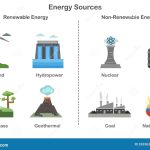
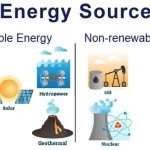
Non-renewable energy resources are a finite bounty from geological processes, formed over millions of years. This category includes fossil fuels—coal, crude oil, and natural gas—and nuclear energy derived from uranium. In 2022, for instance, a substantial 61% of U.S. electricity was still generated from these sources, highlighting their persistent importance even amidst a growing focus on alternatives. Their inherent characteristics offer a suite of benefits that address fundamental energy needs.
Powering Progress: Reliability, Stability, and Uninterrupted Supply
One of the most compelling advantages of non renewable energy resources is their unparalleled reliability and stability. They provide an energy supply that operates continuously, independent of environmental variables like sunlight or wind.
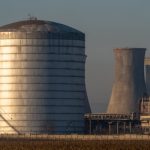
Consistent Baseload Power: Non-renewable plants, especially nuclear and coal, are designed to run 24/7, offering what’s known as “baseload power.” This is the minimum level of electricity demand required to be met around the clock, forming the backbone of any stable grid. Without this consistent supply, grids become vulnerable to fluctuations, risking widespread blackouts.
Rapid Response to Demand: While baseload is critical, the ability to quickly adjust power output is equally vital. Natural gas power plants, for example, can start up and reach full operating capacity in as little as 10-15 minutes. This rapid response capability is crucial for balancing the grid and matching sudden spikes in electricity demand, ensuring seamless service delivery.
Superior Storage Capabilities: Unlike electricity itself, which is challenging to store at scale, fossil fuels are inherently storable. Coal can be stockpiled for months, crude oil for years, and natural gas can be stored in vast underground caverns or as liquefied natural gas (LNG). This built-in storage provides energy security, allowing nations to build strategic reserves and hedge against supply disruptions or seasonal demand peaks.
Economic Engines: Cost Efficiency and Global Impact
The economic advantages of non renewable energy resources are profound, impacting everything from consumer bills to national budgets and global trade balances.
Leveraging Established Infrastructure: Decades of investment have built a colossal, multi-trillion-dollar global infrastructure dedicated to non-renewable energy. This includes extensive networks of oil and gas pipelines, sprawling refineries, deep-water drilling platforms, and thousands of power plants worldwide. This existing infrastructure means fewer upfront costs for new development and highly efficient access to resources, significantly reducing the need for heavy investment in novel technologies or new construction.
Economies of Scale and Lower Costs: The maturity of non-renewable technologies allows for operations at immense scales, driving down per-unit costs. This leads to competitive energy prices for consumers and businesses. For example, the levelized cost of electricity (LCOE) for coal plants typically ranges from $60-150 per MWh, and for natural gas plants, $45-80 per MWh—often proving highly competitive compared to many other sources.
Fueling National Economies and Trade: Resource-rich nations capitalize on their non-renewable reserves through exports, generating substantial revenue that boosts national economies and funds public services. The U.S., for instance, produced nearly 36 quadrillion BTUs of natural gas in 2021, making it a major global energy player. This export capability contributes significantly to international trade and plays a crucial role in geopolitical dynamics. For a broader perspective on these and other benefits, you can explore the comprehensive Non-renewable energy advantages discussed in our pillar article.
The Power of Density: Efficiency in Application
High energy density is a fundamental characteristic that gives non-renewable resources a distinct edge, especially for heavy industries and transportation.
Maximum Power in Minimal Space: Fossil fuels pack an incredible amount of energy into a small volume. Crude oil, for instance, contains approximately 45 megajoules per kilogram (MJ/kg). To put this in perspective, high-end lithium-ion batteries typically offer between 0.36-0.875 MJ/kg. This density dramatically saves space, reduces transportation costs, and is critical for applications demanding immense power from a compact source. A single barrel of crude oil, for example, can generate about 20 gallons of gasoline.
Indispensable Industrial Feedstocks: Beyond generating electricity, oil and natural gas are vital as chemical feedstocks. They are the building blocks for an astounding array of products, including petrochemicals, plastics, fertilizers, pharmaceuticals, and synthetic fibers. Coal provides essential carbon for steel production.
Enabling High-Temperature Processes: Many foundational industrial processes require extremely high temperatures that are difficult and expensive to achieve through electrification alone. Industries like cement, steel, and glass manufacturing rely heavily on the direct combustion of fossil fuels to reach the necessary heat levels efficiently and economically.
A Workforce and Technological Ecosystem: Jobs and Innovation
The non-renewable energy sector is not just about fuel; it’s a vast ecosystem of human capital and technological advancement.
Significant Employment Provider: This sector is a major global employer, supporting millions of jobs across various stages: exploration, extraction, processing, transportation, plant operations, maintenance, and related support industries. In the U.S. alone, the oil and gas industry supports over 10 million jobs, providing stable incomes and strengthening local economies, particularly in rural areas.
Mature and Evolving Technologies: Decades of research and development have refined extraction and utilization technologies to a high degree of maturity, coupled with established safety protocols. This doesn’t mean stagnation; ongoing demand for cleaner, more efficient methods has spurred significant innovation. Technologies like carbon capture and storage (CCS) and carbon capture and utilization (CCU) are actively being developed and deployed to mitigate environmental impacts, demonstrating a commitment to continuous improvement within the sector.
Practical Playbook: Strategic Integration of Non-Renewable Strengths
Understanding these core advantages isn’t just academic; it informs strategic energy planning for nations and corporations alike. Here’s how these benefits translate into actionable considerations:
Securing Baseload and Grid Stability: For energy planners, the non-negotiable requirement of 24/7 baseload power often points to nuclear, coal, or large-scale natural gas as essential components of the energy mix. Integrating these sources ensures grid stability, especially when intermittent renewables (solar, wind) are brought online.
Scenario: A rapidly developing nation needs to power new industrial zones and a growing urban population. Relying solely on intermittent sources risks crippling power outages. A strategic mix including reliable natural gas plants, with their quick ramp-up times, offers the necessary stability to support economic expansion.
Optimizing Infrastructure Investment: Before embarking on entirely new energy systems, assess the existing multi-trillion-dollar non-renewable infrastructure. Can existing pipelines be repurposed or expanded for cleaner fuels? Can existing power plant sites be upgraded with advanced generation technologies or carbon capture? This approach minimizes stranded assets and capital expenditure.
Case Snippet: Many older coal power plants are being converted to natural gas, leveraging existing transmission lines and grid connections while significantly reducing emissions. This saves billions compared to building entirely new infrastructure.
Balancing Energy Security with Transition Goals: Nations often maintain strategic petroleum reserves (e.g., U.S. SPR) to protect against supply shocks. This level of energy security is a distinct advantage of storable fossil fuels. As economies transition, balancing the immediate need for energy security with long-term climate goals requires careful strategic planning, often involving diversified supply chains for non-renewable inputs.
Supporting Industrial Foundations: Recognize that certain industries cannot easily pivot away from fossil fuels due to feedstock requirements or high-temperature demands. Policy and investment should support innovations within these sectors (e.g., green hydrogen for steel, CCS for cement) rather than assume immediate, full electrification.
Example: A chemical manufacturing plant requires natural gas as a direct input for plastic production, not just for power. Replacing this “feedstock” use is a different challenge than replacing electricity generation and requires specific technological solutions.
Quick Answers: Addressing Common Questions
Q: Are non-renewable energy resources simply “dirty” and outdated?
A: While they have environmental impacts, calling them simply “dirty” overlooks significant technological advancements. Modern non-renewable plants, particularly natural gas and advanced nuclear facilities, operate with vastly improved efficiency and emissions controls. Innovations like carbon capture and storage (CCS) aim to further mitigate their environmental footprint, demonstrating an ongoing evolution rather than stagnation. They remain the backbone for large portions of the global economy. Q: Can’t renewable energy sources fully replace non-renewables right now?
A: Not entirely, not yet, and not at scale without significant grid modernization and storage solutions. While renewables are crucial for the future, they face challenges with intermittency (sun doesn’t always shine, wind doesn’t always blow) and large-scale energy storage. Non-renewables provide the consistent baseload power and rapid response capabilities essential for grid stability that current renewable systems often cannot match independently. The transition is a complex, multi-decade process. Q: Why are non-renewables still considered “economical” if prices fluctuate?
A: Their economic advantage comes from multiple factors: established infrastructure (reducing new build costs), economies of scale in extraction and processing, and the ability to consistently deliver large volumes of energy. While market prices for fuels like oil and gas can fluctuate, the underlying cost of building and operating these plants, especially for baseload power, remains highly competitive, contributing to lower LCOE compared to many alternative technologies requiring extensive new infrastructure or storage.
An Enduring Role in Our Energy Landscape
The advantages of non renewable energy resources are deeply interwoven with the fabric of our modern world. From providing the unwavering baseload power that prevents blackouts to forming the very raw materials for countless products we use daily, their impact is undeniable. While the global energy transition is a critical imperative, understanding and leveraging the reliable, economic, and infrastructurally robust benefits of non-renewables remains a pragmatic and necessary approach.
As we navigate towards a more sustainable future, ignoring the present realities and strengths of non-renewable energy would be shortsighted. The path forward likely involves a strategic blend: capitalizing on the proven reliability and economic efficiencies of non-renewables while vigorously investing in and integrating renewable technologies. This balanced approach ensures energy security, economic stability, and a realistic transition path for societies worldwide.
I am a writer who loves renewable energy, with a focus on sustainable living, renewable energy, and eco-friendly innovation. With a passion for environmental awareness and a desire to explore the latest trends in green technology, corporate sustainability, and climate action. Through in-depth storytelling