The global energy landscape is complex, often framed by the urgent need for decarbonization. Yet, amidst the drive toward renewables, it’s vital to recognize the enduring and often indispensable positives of non renewable energy sources that continue to power much of our modern world. From keeping the lights on consistently to fueling industrial backbone, these established resources offer advantages that underpin economic stability and daily life in ways we frequently take for granted. Understanding these benefits is not about rejecting the future but about making informed, realistic decisions for a balanced energy transition.
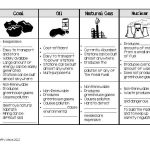
Unwavering Reliability: Non-renewable sources provide continuous, on-demand baseload power, essential for grid stability and critical infrastructure.
Economic Powerhouses: They support vast industries, create millions of jobs, generate significant government revenue, and often offer lower upfront electricity generation costs.
High Energy Density: These fuels pack substantial energy into a compact form, enabling efficient storage, transportation, and a smaller physical footprint for power generation.
Technological Maturity: Decades of innovation mean highly efficient extraction, processing, and generation technologies are readily available.
Strategic Versatility: Beyond electricity, non-renewables are crucial for heating, transportation, and serve as indispensable feedstocks for countless industrial products.
Global Market Stability: A well-established international market ensures supply reliability and competitive pricing, enhanced by extensive storage capabilities.
The Enduring Role of Non-Renewables in Global Energy
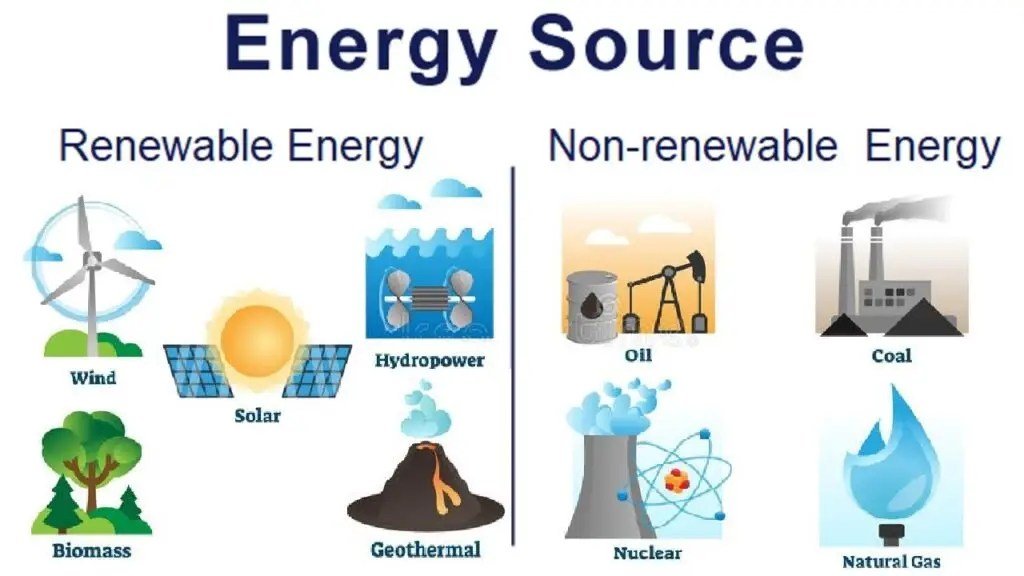
Non-renewable energy sources – primarily fossil fuels like coal, oil, natural gas, and nuclear energy derived from uranium – are defined by their finite nature, formed over geological timescales. Despite this limitation, they remain the bedrock of global energy, projected to account for approximately 60% of the world’s energy consumption in 2025, having supplied roughly 505 out of 620 exajoules in 2023. In the U.S. alone, they generated 61% of electricity in 2022. This dominance isn’t merely historical; it’s driven by a powerful suite of inherent positives that continue to shape our energy reality.
Unwavering Reliability: The Foundation of Modern Grids
The most immediate and tangible positive of non renewable energy is its capacity for providing a stable, continuous, and on-demand power supply. Unlike intermittent renewable sources, these systems can operate around the clock, regardless of weather conditions or time of day.
Constant Baseload and Rapid Response for Grid Stability
Non-renewable power plants are engineered for baseload generation, meaning they can deliver a predictable, minimum amount of power constantly to meet foundational demand. This consistency is crucial for grid stability, preventing blackouts and brownouts. More than just steady, many non-renewable plants, particularly those fired by natural gas, offer remarkable flexibility. Natural gas plants, for instance, can ramp up from a cold start to full power in as little as 10-15 minutes. This rapid response capability is invaluable for balancing fluctuating demand or compensating for sudden drops in renewable output, ensuring a seamless energy flow even during unexpected surges or dips.
Case Snippet: During a heatwave, air conditioning use can spike demand dramatically. Grid operators often rely on natural gas peaker plants, which can quickly activate, to prevent grid overloads and maintain service reliability. Without this rapid-response capability, widespread outages during peak demand events would be far more common.
Fueling Critical Infrastructure
The reliable, predictable power from non-renewable sources is non-negotiable for critical infrastructure. Hospitals, data centers, water treatment facilities, and national defense systems cannot afford even momentary power interruptions. The robust and consistent output of a coal or nuclear plant provides the dependable foundation these essential services require, ensuring they remain operational under all circumstances. This reliability translates directly into public safety, national security, and economic resilience.
Economic Engines: Driving Prosperity and Jobs
Beyond keeping the lights on, the positives of non renewable energy extend deeply into the economic fabric of nations worldwide. These sources drive vast industries, create millions of jobs, and generate substantial revenue streams.
Affordable Power and Established Infrastructure
In many regions, non-renewable energy sources offer a highly viable economic option due to their established infrastructure and relatively low upfront investment costs for generation. The Levelized Cost of Electricity (LCOE), which measures the total cost of building and operating a power plant over its lifespan per unit of electricity generated, often demonstrates competitiveness. For example, the LCOE for coal plants typically ranges from $60-150 per MWh, and for natural gas plants, $45-80 per MWh. These figures often compare favorably when considering the additional costs of grid upgrades or energy storage required to integrate large-scale intermittent renewables. The sheer scale and maturity of the non-renewable energy sector mean that the entire supply chain, from extraction to delivery, is optimized, contributing to competitive pricing.
Global Industry, Local Impact: Jobs and Revenue
The non-renewable energy sector is a colossal economic engine. It supports millions of jobs globally—for example, over 10 million in the U.S. oil and gas industry alone—spanning engineers, geologists, technicians, transport logistics, and operational staff. This industry contributes trillions annually to the global economy. Furthermore, resource-rich nations like Saudi Arabia, Russia, and Norway depend heavily on the export and taxation of fossil fuels, generating significant government revenues that fund public services, infrastructure, and social programs. This stable revenue stream allows governments to plan long-term development strategies with greater certainty.
Case Snippet: Norway’s sovereign wealth fund, one of the largest in the world, was built primarily from oil and gas revenues, allowing the nation to invest in its future and provide robust social safety nets for its citizens. This demonstrates how resource wealth, when managed effectively, can translate into broad societal benefits.
Energy Density and Technological Maturity: Power in a Compact Form
Another significant positive of non renewable energy lies in its inherent energy density and the advanced state of its associated technologies. These factors allow for immense power generation from relatively small amounts of fuel and highly efficient processes.
High Energy Output, Smaller Footprint
Non-renewable fuels boast exceptional energy density, meaning they pack a substantial amount of energy into a compact volume or mass. Uranium, used in nuclear power, is a prime example, offering an astonishing 80,620 MJ/kg—orders of magnitude greater than even advanced lithium-ion batteries (0.36-0.875 MJ/kg). A single barrel of crude oil can yield approximately 20 gallons of gasoline, indispensable for transportation. This high density allows for efficient long-distance transportation and storage and significantly reduces the land area required for power generation. A 1,000 MW coal plant, for instance, typically occupies just 1-3 square kilometers, whereas an equivalent solar farm could require 20-50 square kilometers. This smaller footprint minimizes environmental disturbance in terms of land use and offers greater flexibility in site selection.
For a broader perspective on the foundational strengths of these energy sources, exploring the full spectrum of their inherent benefits is insightful. You can delve deeper into these widespread advantages by visiting the dedicated guide on the Advantages of non-renewable energy.
Decades of Refinement: Efficient and Evolving Systems
The technologies for extracting, processing, and generating power from non-renewable sources have been developed and refined over many decades, making them highly mature and efficient. Modern combined-cycle natural gas plants, for example, can achieve efficiencies of up to 60%, converting a greater proportion of fuel energy into electricity. This continuous improvement in efficiency means less fuel is needed to produce the same amount of power, optimizing resource use. Furthermore, research and development continue, with emerging technologies like Carbon Capture and Utilization (CCU) aiming to mitigate environmental impacts by capturing emissions and converting them into useful products.
Case Snippet: The Petra Nova Carbon Capture Project in Texas demonstrated the feasibility of capturing over 90% of CO2 emissions from a coal-fired power plant and using it for enhanced oil recovery, showcasing how technological advancements can extend the viability of existing non-renewable assets.
Strategic Flexibility: Storage, Transport, and Versatility
The practical positives of non renewable energy also shine in their unparalleled flexibility regarding storage, transportation, and diverse applications beyond mere electricity generation.
Robust Storage and Global Supply Chains
Fossil fuels possess superior storage capabilities. Coal can be stockpiled for months, oil stored in vast tanks or underground caverns for years, and natural gas stored in underground geological formations or transported as liquefied natural gas (LNG). This ability to store energy for extended periods enhances energy security, allowing nations and utilities to manage supply disruptions, seasonal demand fluctuations, and protect against price volatility. An extensive global infrastructure of oil tankers, pipelines, and LNG carriers facilitates efficient international trade, creating a robust and resilient supply chain. Many nations maintain strategic petroleum reserves specifically to buffer against geopolitical events or natural disasters, underscoring the critical role of storable non-renewables in national security.
Beyond Electricity: Powering Industry and Products
One of the most underestimated positives of non renewable energy is its immense versatility. While often discussed in terms of electricity generation, these fuels are indispensable for a multitude of other applications. Oil and natural gas are not just burned for power; they serve as critical feedstocks for the petrochemical industry, forming the basis for plastics, fertilizers, pharmaceuticals, and countless other everyday products. Coal is vital for steel production through its conversion into coke, a necessary ingredient for smelting iron ore. Furthermore, many industrial processes, such as cement, glass, and specialized manufacturing, require the intense, sustained heat that only fossil fuels can reliably provide, temperatures that electricity alone cannot easily or economically achieve.
Case Snippet: The agricultural sector relies heavily on natural gas for the production of ammonia-based fertilizers, essential for global food security. Disruptions in natural gas supply directly impact fertilizer production, leading to higher food prices and potential shortages, illustrating a direct non-electricity dependence.
Given these substantial positives, integrating non-renewable energy sources strategically into national and corporate energy plans involves deliberate considerations.
Prioritize Grid Stability: When designing or upgrading energy grids, account for the baseload and rapid-response capabilities of natural gas and nuclear power to ensure uninterrupted supply, especially during peak demand periods or when integrating variable renewables.
Optimize Existing Infrastructure: Instead of immediate decommissioning, explore upgrades and efficiency improvements for existing non-renewable power plants. Modern combined-cycle gas turbines, for instance, offer significant efficiency gains, while advanced coal technologies can reduce emissions.
Secure Supply Chains: For industries reliant on non-renewable feedstocks (e.g., petrochemicals, steel, cement), establish diverse sourcing strategies and maintain strategic reserves to mitigate geopolitical risks and price volatility.
Invest in Dual-Use Technologies: Support R&D for technologies like Carbon Capture and Utilization (CCU) that can reduce the environmental footprint of non-renewables while extending their operational lifespan and economic value.
Factor Total System Costs: When evaluating energy projects, consider not just the LCOE of generation but the total system cost, including grid reinforcement, transmission infrastructure, and necessary energy storage for intermittent sources. Non-renewables often offer inherent advantages in these broader system costs.
Support Economic Transition: For regions heavily dependent on the non-renewable energy sector for jobs and revenue, develop long-term transition plans that leverage existing skills and infrastructure while gradually diversifying the economy.
Quick Answers: Addressing Common Questions
Are non-renewables truly affordable given environmental externalities?
While non-renewables often have lower upfront generation costs, the full societal cost, including environmental and health impacts (externalities), is a complex debate. However, the direct cost of power generation and the immense economic benefits (jobs, GDP, tax revenue) are undeniable. Policymakers are increasingly exploring mechanisms to internalize externalities, but the current economic advantages for delivering reliable, scalable power remain significant in many contexts.
How do non-renewable sources contribute to energy security?
Non-renewable sources contribute profoundly to energy security through their storability, diverse global supply chains, and the ability of nations to maintain strategic reserves. This ensures a buffer against price shocks, geopolitical instability, or natural disasters that might disrupt energy flows, providing a critical safety net for national economies and defense.
Can non-renewable technologies still innovate, or are they stagnant?
Far from stagnant, non-renewable technologies continue to evolve. Modern natural gas plants are significantly more efficient than their predecessors, nuclear fission technology is undergoing continuous safety and efficiency improvements, and advanced research into technologies like Small Modular Reactors (SMRs) and Carbon Capture, Utilization, and Storage (CCUS) demonstrates ongoing innovation aimed at enhancing performance and mitigating environmental impacts.
The Unavoidable Reality of a Balanced Future
The discussion around energy often focuses heavily on the future of renewables, yet the positives of non renewable energy remain immediate, tangible, and deeply embedded in our global infrastructure and economies. From ensuring the unwavering stability of our power grids and fueling our critical industries to providing millions of jobs and vast economic revenues, these sources offer a reliable, energy-dense, and highly versatile foundation upon which much of modern society is built. Acknowledging and strategically leveraging these benefits isn’t a retreat from environmental goals but a practical approach to managing a complex, decades-long energy transition. As we move towards a more sustainable future, a balanced perspective that understands the enduring value proposition of non-renewables will be essential for making resilient, informed decisions that continue to deliver reliable and affordable power to everyone.
I am a writer who loves renewable energy, with a focus on sustainable living, renewable energy, and eco-friendly innovation. With a passion for environmental awareness and a desire to explore the latest trends in green technology, corporate sustainability, and climate action. Through in-depth storytelling