The global energy landscape is in constant flux, but as we navigate the complexities of a transitioning world, it’s crucial to acknowledge the foundational elements that keep our lights on and industries running. Understanding what it means to name the advantages of non-renewable energy resources isn’t just an academic exercise; it’s about appreciating the bedrock of our current energy systems and the profound impact these sources have on reliability, affordability, and stability. While the long-term shift towards sustainable alternatives is undeniable, the immediate and enduring benefits of coal, oil, natural gas, and nuclear power remain indispensable for meeting a significant portion of worldwide energy consumption, even as projections move forward.
At a Glance: Enduring Strengths of Non-Renewable Energy
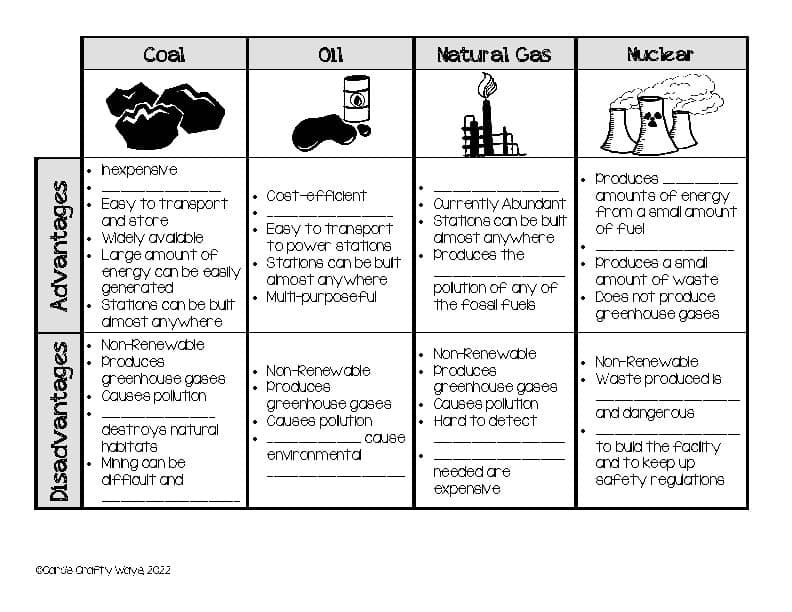
Established Reliability: These sources offer consistent, 24/7 power, crucial for grid stability and baseload demand.
Cost Efficiency: Decades of investment and mature technologies translate into competitive energy prices and lower consumer costs.
High Energy Density: Non-renewable fuels pack immense power into small volumes, optimizing space, transport, and industrial applications.
Robust Infrastructure: A global, multi-trillion-dollar network of pipelines, plants, and supply chains ensures efficient delivery.
Economic Impact: Significant job creation and government revenues bolster economies worldwide.
Operational Flexibility: From quick-start natural gas plants to strategic reserves, these resources offer critical adaptability.
Unpacking the Foundational Role of Traditional Energy
Even as innovation drives us toward cleaner horizons, non-renewable energy sources – primarily coal, oil, natural gas, and uranium – continue to be the workhorses of the global economy. They fuel roughly 60% of our energy needs, providing an estimated 505 exajoules out of 620 exajoules in global consumption in 2023. This isn’t merely inertia; it’s a testament to their distinct operational and economic benefits that ensure our societies function smoothly, even as we build new energy pathways. For a broader overview of their foundational role, you can explore the full discussion on the Advantages of non-renewable energy.
Infrastructure That Powers the Present
Imagine trying to build a global energy network from scratch today. It would be a monumental, multi-generational undertaking. Fortunately, non-renewable energy benefits from a deep-rooted advantage: a fully realized, multi-trillion-dollar global infrastructure. This isn’t just about power plants; it’s an intricate web of pipelines, refineries, storage facilities, and distribution networks that have been built and refined over decades.
This established system means immediate, efficient energy tapping. There’s no need for heavy investment in entirely new technologies or years of construction for foundational elements. For energy planners and grid operators, this infrastructure minimizes modifications and new investments for existing grids, allowing for predictable operations and expansion. Think of the vast network of natural gas pipelines crisscrossing continents or the global fleet of oil tankers – these aren’t easily replicated, and they represent a colossal asset in ensuring energy delivery.
Energy Density: Packing Power into Small Footprints
One of the most compelling reasons to name the advantages of non renewable energy resources is their unparalleled energy density. Simply put, these fuels store an enormous amount of energy in a small volume, making them incredibly efficient for generation, transportation, and industrial use.
Consider the numbers:
Coal: 24-35 MJ/kg
Oil: 42-44 MJ/kg
Natural Gas: 53-55 MJ/kg
Uranium (Nuclear Fission): A staggering 80 million MJ/kg
Compare this to even advanced lithium-ion batteries, which store 0.36-0.875 MJ/kg. This difference isn’t trivial. High energy density means power plants require significantly less land area per unit of energy generated. A 1,000 MW coal plant might use 1-3 km², while an equivalent solar farm could sprawl across 20-50 km². For transportation, the high energy density of liquid fuels like gasoline (33.7 kWh/gallon) provides unmatched range and rapid refueling, a critical factor for logistics, aviation, and long-haul trucking. This characteristic saves space, lowers transportation costs, and maximizes productivity across numerous sectors.
Unmatched Cost-Effectiveness and Affordability
Economics play a critical role in energy choices, and non-renewable resources often come out ahead in terms of upfront and operational costs. Their cost-effectiveness stems from economies of scale and long-established extraction and production technologies that have been optimized over a century.
The Levelized Cost of Electricity (LCOE) for traditional sources like coal ($60-150/MWh) and natural gas ($45-80/MWh) remains highly competitive. This calculation is particularly favorable when you factor in the additional costs associated with grid stability and large-scale energy storage that renewables often require. For consumers and businesses, this translates directly into lower energy bills, making electricity and fuel more affordable. For investors, the proven economics and established markets offer quicker returns and less financial risk, reinforcing continued investment in these sectors globally.
Reliability and Baseload Power: The Grid’s Backbone
Perhaps the most critical advantage to name the advantages of non renewable energy resources is their inherent reliability and ability to provide consistent baseload power. Non-renewable sources offer a stable, predictable energy supply 24/7, entirely independent of weather conditions. Unlike solar that requires sunlight or wind that needs gusts, these fuels can be stored and used on demand.
Power plants running on coal, natural gas, or uranium can operate continuously, generating electricity around the clock and adjusting their output based on demand fluctuations. This capability is vital for providing baseload power—the minimum electricity demand that must be met continuously to keep a grid stable. Without it, grids are vulnerable to blackouts. Natural gas plants, in particular, stand out for their operational flexibility, offering quick start-up times (as short as 10-15 minutes). This makes them ideal for swiftly meeting sudden demand increases or compensating for the intermittent nature of renewable energy sources when the sun sets or the wind dies down.
Driving Economic Growth and Job Creation
The non-renewable energy sector is not just a source of power; it’s a massive engine for economic activity and job creation worldwide. Millions of direct and indirect jobs depend on this industry, spanning mining, drilling, transportation, engineering, manufacturing, and a vast array of support services.
These jobs often provide stable, well-paying incomes, serving as economic anchors for communities and entire regions. Resource-rich nations, in particular, derive substantial government revenues from the export and taxation of these resources. These revenues are then reinvested into public services, infrastructure development, and education, fueling national growth and improving quality of life. The ripple effect of these investments is felt across global supply chains, from equipment manufacturers to financial institutions.
Technological Maturity and Continuous Innovation
Decades of research, development, and operational experience mean that non-renewable energy technologies are highly mature and proven. Extraction methods like advanced drilling and mining, processing techniques, and utilization systems boast high efficiency and reliability. Extensive safety protocols and sophisticated risk management systems are deeply embedded in every stage of the process, ensuring secure operations.
Modern power generation from these sources is remarkably efficient. Combined-cycle gas plants can achieve over 60% efficiency, advanced coal plants reach 45-50%, and nuclear plants operate with thermal efficiencies of 33-35%. Furthermore, the ongoing demand for cleaner and more efficient methods continues to spur innovation. Technologies like Carbon Capture and Storage (CCS) represent a frontier in reducing emissions, demonstrating a commitment to evolving these mature systems rather than simply replacing them.
Simplified Storage and Global Transportation
Another significant advantage when you name the advantages of non renewable energy resources is their ease of storage and transportation. Fossil fuels can be stored for extended periods, enhancing energy security and providing a buffer against supply disruptions. Coal can be stockpiled for months, oil in vast tanks for years, and natural gas in underground caverns or as Liquefied Natural Gas (LNG).
Extensive global transportation networks are dedicated to moving these fuels efficiently. Pipelines, oil tankers, rail cars, trucks, and LNG carriers facilitate international trade, making these fuels accessible even in remote locations that might be impractical for grid extensions or large-scale renewable installations. Many nations also maintain strategic reserves, such as petroleum, as a safeguard against supply volatility and geopolitical events, ensuring a stable energy supply during crises.
Catalyzing Global Trade and Diplomacy
The trade of non-renewable energy sources forms a cornerstone of the global economy and significantly influences geopolitical dynamics. Resource-rich countries benefit from substantial export revenues, which not only boost their national economies but also provide leverage in international relations.
This trade fosters complex diplomatic relationships, creating interdependencies that can promote stability and cooperation, albeit sometimes also competition. Understanding these global trade opportunities is key to appreciating the full scope of how these energy sources shape international policy and economic alliances.
Streamlined Energy Management and Industrial Applications
The established nature of non-renewable energy brings inherent advantages in energy management. Familiar regulations, well-understood operational practices, and a highly trained workforce streamline operations and minimize unexpected challenges. This predictability contrasts with the often-new strategies and skills required for integrating rapidly evolving renewable energy systems.
Beyond electricity generation, these resources are indispensable for industrial applications. They serve as essential feedstocks for countless manufacturing and chemical processes:
Petrochemicals, Plastics, Fertilizers: Primarily derived from oil and natural gas.
Steel Production: Carbon from coking coal is vital for producing steel.
High-Temperature Industrial Needs: Cement production, glass making, and metal smelting require intense, sustained high temperatures that are exceedingly challenging and costly to achieve through electrification with renewable sources alone. These processes highlight a critical, often overlooked, role of fossil fuels in the modern industrial economy.
Practical Considerations for Energy Planners
When assessing energy portfolios, decision-makers often weigh the immediate advantages of non-renewable resources against long-term sustainability goals. Here’s how these benefits translate into practical planning:
Grid Stability First: For any grid operator, ensuring uninterrupted power is paramount. The baseload capability of non-renewables provides a critical safety net, particularly in regions with inconsistent renewable generation or rapidly growing demand.
Economic Imperatives: For developing nations, the affordability and established infrastructure of non-renewable sources can be the quickest and most cost-effective path to widespread electrification and industrial growth.
Industrial Reliance: Industries with high heat demands or feedstock requirements often find that non-renewable solutions remain the most viable, efficient, and cost-effective option for their core processes.
Strategic Reserves: Maintaining adequate strategic reserves of fossil fuels is a non-negotiable aspect of national security and economic resilience for many countries, offering protection against unforeseen global disruptions.
Quick Answers: Common Questions about Non-Renewable Energy Advantages
Q: Are non-renewable energy sources truly more reliable than renewables?
A: Yes, generally. Non-renewable sources like coal, natural gas, and nuclear power offer a consistent, dispatchable energy supply 24/7, unaffected by weather. They provide essential baseload power and can be stored, unlike most renewable energy that is intermittent and requires costly storage solutions to achieve similar reliability. Q: How do non-renewable energy sources keep costs down for consumers?
A: Their cost-effectiveness stems from mature, optimized technologies, vast established infrastructure, and economies of scale. These factors lead to lower generation costs (LCOE), which often translates to more affordable energy bills for homes and businesses, especially when accounting for grid stability and storage requirements. Q: Don’t non-renewable resources require a lot of space for extraction?
A: While extraction sites (mines, oil fields) can cover significant areas, the power plants themselves often require less land per unit of energy generated compared to many renewable facilities. For example, a 1,000 MW coal plant uses significantly less footprint than an equivalent solar farm. Moreover, the high energy density of the fuels themselves means less volume for transport and storage, saving space overall. Q: How do non-renewable resources contribute to job creation?
A: The non-renewable energy sector is a massive employer across a broad spectrum of roles, including mining, drilling, engineering, manufacturing, transportation, and maintenance. These jobs are often high-paying and stable, providing significant economic support to communities and contributing substantial tax revenues to governments.
The Enduring Imperative
While the world is undeniably moving toward a future powered by cleaner energy, it’s vital to have a clear understanding of what it means to name the advantages of non renewable energy resources. Their established reliability, cost-effectiveness, high energy density, and robust infrastructure provide the foundational stability and power required for modern society and industrial progress. These enduring benefits ensure that, for the foreseeable future, coal, oil, natural gas, and nuclear power will remain critical components of a balanced and secure global energy portfolio, even as we collectively strive for a more sustainable tomorrow.
I am a writer who loves renewable energy, with a focus on sustainable living, renewable energy, and eco-friendly innovation. With a passion for environmental awareness and a desire to explore the latest trends in green technology, corporate sustainability, and climate action. Through in-depth storytelling