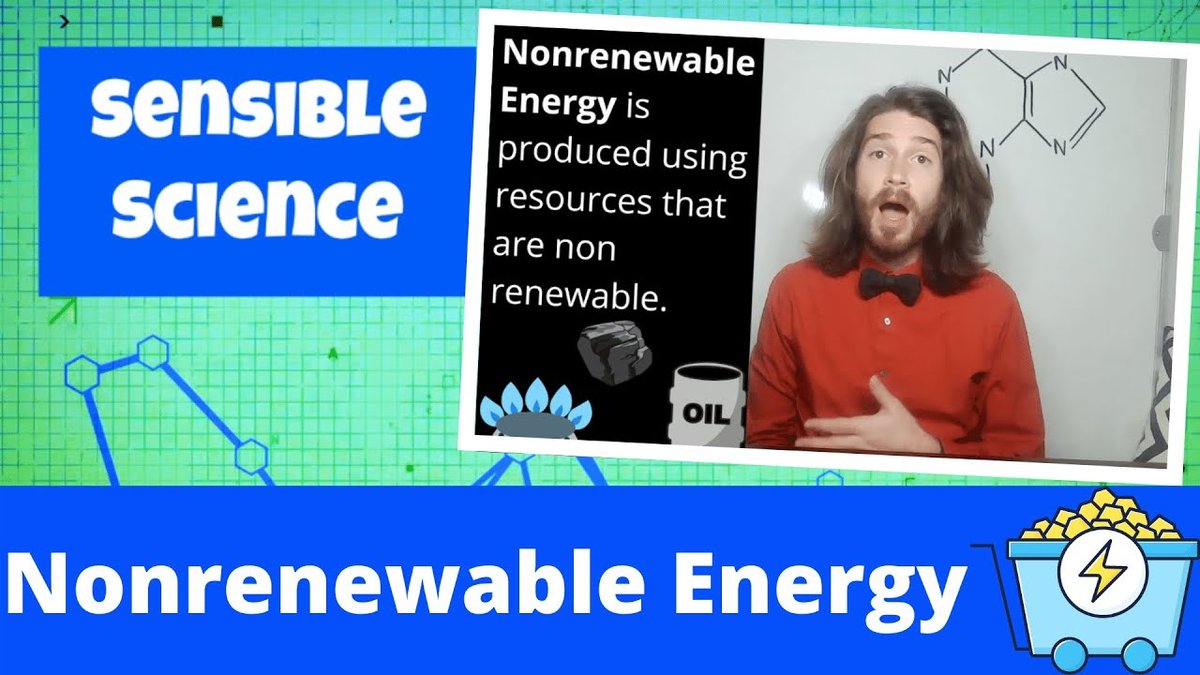
When we talk about the power grid and how our cars run, we’re deeply intertwined with energy sources that took millions of years to form. Understanding the non renewable pros and cons isn’t just an academic exercise; it’s central to global economics, environmental health, and even geopolitical stability. While these resources reliably fuel our modern world, their finite nature and significant environmental footprint present an undeniable dilemma we must navigate.
At a Glance: Navigating Our Nonrenewable Energy Landscape
Reliable Powerhouse: Nonrenewable sources offer consistent, on-demand energy, crucial for grid stability and meeting peak demands.
Infrastructure Advantage: Our existing global energy system is built around these sources, making them currently cost-effective and scalable.
Economic Driver: The nonrenewable sector fuels massive industries, creates jobs, and contributes significantly to national economies.
Environmental Cost: Burning fossil fuels leads to significant greenhouse gas emissions, air pollution, and widespread ecological damage.
Finite Supply: These resources are depleting, raising concerns about future energy security and inevitable price hikes.
Complex Trade-offs: Policymakers and industries must balance immediate energy needs with long-term environmental and sustainability goals.
The Immediate Upside: Why We Lean on Nonrenewable Power
Despite growing calls for a transition to renewables, nonrenewable energy sources remain the backbone of global energy supply for compelling reasons. They offer a certain degree of predictability and power that has historically been hard to match.
Unmatched Reliability and Energy Density
Nonrenewable sources like coal, oil, natural gas, and uranium pack a tremendous amount of energy into a relatively small volume. This “energy density” means a little goes a long way. More importantly, they provide a consistent, on-demand energy supply. Unlike solar or wind, which fluctuate with weather conditions, fossil fuel power plants and nuclear reactors can operate continuously, ensuring electricity flows steadily into homes and businesses.
Think of it this way: when you flip a light switch, you expect power instantly. Nonrenewable plants are designed to deliver that expectation, reliably meeting base load demand and quickly scaling up to handle peak usage without interruption. This stability is critical for complex electrical grids and the uninterrupted operation of industries.
Built-in Infrastructure and Cost Efficiencies
Decades, even centuries, of investment have created a vast global infrastructure for extracting, processing, and distributing nonrenewable energy. This includes oil pipelines, natural gas networks, coal mining operations, and established power plants. This existing framework makes their continued use remarkably efficient from an operational standpoint.
Because the technology is mature and widespread, the initial investment for maintaining or expanding this infrastructure is often lower compared to building entirely new renewable energy systems from scratch. For many developing nations, leveraging existing nonrenewable pathways offers a quicker and more affordable route to electrification and industrialization. For a deeper dive into these foundational benefits, you can explore the Advantages of non-renewable power.
Economic Engines and Strategic Advantages
The nonrenewable energy sector is a colossal economic force. It generates millions of jobs globally, from engineers and miners to transporters and refiners. This industry fuels significant economic development, fostering technological advancements not just in energy, but in associated fields like materials science and logistics. Countries with abundant fossil fuel or uranium reserves can also achieve greater energy independence, reducing reliance on potentially volatile international markets. The revenue generated from these resources can, in turn, be strategically invested into diversifying energy portfolios or funding research into cleaner technologies.
The Hidden Costs: Navigating the Downsides of Finite Resources
While the immediate benefits of nonrenewable energy are clear, the long-term consequences paint a more complex and often troubling picture. These downsides are the primary drivers behind the global push for sustainable energy alternatives.
Environmental Burden and Climate Crisis
Perhaps the most pressing concern with nonrenewable energy is its profound impact on the environment.
Greenhouse Gas Emissions: The combustion of fossil fuels (coal, oil, natural gas) releases massive amounts of carbon dioxide (CO2) and other greenhouse gases into the atmosphere. This is the primary driver of climate change, leading to global warming, rising sea levels, and an increase in the frequency and intensity of extreme weather events like heatwaves, droughts, and severe storms.
Air Pollution & Health Impacts: Beyond CO2, burning fossil fuels releases harmful pollutants such as sulfur dioxide (SO2), nitrogen oxides (NOx), particulate matter, and volatile organic compounds (VOCs). These contribute to smog, acid rain, and are directly linked to serious public health issues, including respiratory diseases, heart conditions, and various cancers. A city like Beijing, often shrouded in smog, is a stark reminder of these impacts.
Ecological Damage from Extraction: The act of extracting these resources itself is destructive. Strip mining for coal devastates landscapes and habitats. Offshore drilling for oil risks catastrophic spills, choking marine life and plants. Fracking for natural gas has been linked to water contamination and even induced seismicity (mini-earthquakes). The vast open pits of tar sands operations, for instance, transform immense areas into industrial zones, often at the expense of local ecosystems.
Radioactive Waste from Nuclear Energy: While nuclear power doesn’t produce greenhouse gases, it generates highly toxic radioactive waste. This waste remains dangerous for thousands of years, posing immense long-term storage and disposal challenges. Incidents like Chernobyl and Fukushima serve as stark warnings of the catastrophic potential for accidents, which can render vast areas uninhabitable and cause severe health issues like burns, cancers, and birth defects.
The Inevitable Scarcity: Finite Resources and Long-Term Unsustainability
The very definition of nonrenewable means these resources exist in finite quantities. They were formed over millions of years, primarily during the Carboniferous Period, from ancient organic matter. Our current consumption rate far outpaces any natural replenishment. This fundamental truth means that, eventually, these resources will deplete.
This isn’t just an abstract future problem. As easily accessible reserves diminish, extraction becomes more complex and expensive, leading to higher energy costs and potential supply shortages. For instance, “peak oil” debates highlight concerns about when global oil production might reach its maximum, after which decline becomes inevitable. Relying on sources that take geological eons to form for our daily energy needs is simply unsustainable in the long run.
Geopolitical Vulnerability and Economic Volatility
Heavy reliance on nonrenewable energy sources, particularly oil and natural gas, exposes economies to significant vulnerabilities. Global energy markets are notoriously volatile, with prices susceptible to geopolitical tensions, conflicts in producing regions, natural disasters, and cartel decisions.
Countries dependent on foreign imports face energy insecurity; a disruption in supply from a key region can send shockwaves through their economy. The price spikes seen during the 1970s oil crises, or more recently with the war in Ukraine affecting natural gas supplies to Europe, vividly illustrate this economic and political fragility.
Resource Extraction Conflicts and Misuse
The pursuit and exploitation of nonrenewable resources have frequently been sources of conflict. Disputes over land use, water rights, and environmental justice often arise, leading to social unrest and the displacement of indigenous communities. The “resource curse” phenomenon describes how countries rich in natural resources can sometimes suffer from lower economic growth, corruption, and conflict due to over-reliance and mismanagement of these assets. Moreover, the dual-use nature of nuclear technology means that the same processes that generate clean electricity can also be diverted for weapons development, posing a grave security risk.
High Costs & Inefficiencies
While initial infrastructure might be “cost-effective,” the true cost of nonrenewable energy is often understated. Mitigating environmental damage requires significant investment in pollution control technologies, carbon capture systems, and remediation efforts, all of which add to the overall production cost. Furthermore, some nonrenewable sources are used inefficiently in current power generation and transportation systems, resulting in substantial energy losses before the energy even reaches its end-use.
Delayed Transition to Renewable Energy
The continued investment in and reliance on established nonrenewable infrastructure can act as a powerful anchor, delaying the necessary transition to more sustainable, cleaner energy alternatives. Vested interests, sunk costs, and the sheer scale of the existing system can make it difficult to pivot quickly, even when the environmental and economic imperatives for change are clear. This inertia risks locking us into a less sustainable energy future for longer than advised by climate science.
Making Sense of the Trade-offs: A Practical Framework for Decision-Making
Understanding the non renewable pros and cons requires a nuanced perspective, acknowledging both their current utility and their ultimate limitations. For policymakers, industries, and even individual communities, decisions about energy sources are complex, balancing immediate needs with long-term planetary health.
Balancing Short-Term Needs with Long-Term Vision
Governments, especially in rapidly developing economies, often face the unenviable task of providing immediate, affordable energy to lift populations out of poverty and power industrial growth. Nonrenewable sources, given their established reliability and infrastructure, are frequently the quickest solution. However, ignoring the long-term environmental costs means deferring a larger problem to future generations.
A practical framework involves:
Assessing Current Demand & Capacity: How much power is needed right now and what’s the most reliable way to deliver it?
Evaluating Resource Availability: What domestic nonrenewable resources are accessible, and what are the geopolitical risks of importing?
Cost-Benefit Analysis (Comprehensive): Look beyond direct costs to include environmental externalities (e.g., healthcare costs from pollution, climate change adaptation costs).
Strategic Phasing: Can nonrenewable capacity be built with a clear, time-bound plan for transitioning to renewables, perhaps using nonrenewable revenue to fund renewable infrastructure?
Evaluating Specific Nonrenewable Sources
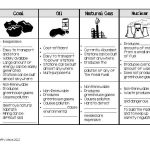
Each nonrenewable source carries its own specific blend of advantages and disadvantages. A quick comparison helps illustrate this:
Source
Primary Pros
Primary Cons
Best Use Case (Current)
Coal
Abundant reserves, low direct cost (in some regions)
High GHG emissions, severe air pollution, ecological damage from mining
Base load power in regions with domestic supply
Petroleum
High energy density, versatile (transportation, products)
Electricity generation, industrial heat, home heating
Nuclear
No GHG emissions during operation, high capacity factor
Radioactive waste, high upfront cost, accident risk, security concerns
Stable base load power without carbon emissions
This table underscores that there’s no single “best” nonrenewable option; choices depend heavily on regional context, priorities, and risk tolerance.
Investment Decisions: When Nonrenewable Still Makes Sense (and When It Doesn’t)
For industries and investors, the decision to fund nonrenewable projects is increasingly scrutinized.
Temporary Necessity: In regions with rapidly escalating energy demand and limited renewable options, investing in modern, efficient natural gas power plants might be a necessary interim step to reduce reliance on dirtier coal, while simultaneously planning for renewable integration. This approach buys time.
Infrastructure Gaps: For heavy industrial processes that require extremely high, constant heat or specific chemical feedstocks derived from fossil fuels, the immediate alternatives might not be technically or economically viable yet. Investment here might focus on efficiency improvements or carbon capture technologies.
When It Doesn’t Make Sense: Continuing to invest in outdated, inefficient coal plants without a clear phase-out plan, or expanding oil extraction in environmentally sensitive areas without robust safeguards, increasingly carries reputational, financial, and regulatory risks. The long-term trend towards decarbonization means stranded assets are a growing concern.
Quick Answers: Your Nonrenewable Energy FAQs
Here are some common questions about nonrenewable energy sources and their implications. Q: Are fossil fuels the only nonrenewable sources?
A: No. While fossil fuels (coal, oil, natural gas) are the most widely used nonrenewable sources, nuclear energy is also classified as nonrenewable. This is because its fuel, Uranium-235, is a rare and finite resource, even though the fission process itself can appear continuous once started. Q: Can we make nonrenewable energy cleaner?
A: Efforts are underway to reduce the environmental impact of fossil fuels, such as carbon capture and storage (CCS) technologies for power plants, and cleaner-burning engine designs for vehicles. However, these technologies are often expensive, not yet fully scalable, and don’t address the fundamental issue of finite resources or all types of pollution. Q: How long will nonrenewable resources last?
A: Estimates vary widely based on consumption rates and new discoveries. For instance, current estimates suggest that known recoverable reserves of oil and natural gas could last several decades, and coal for over a century. However, these are finite, and the cost and effort to extract the remaining, harder-to-reach reserves will continue to increase. Q: What’s the biggest challenge with nuclear waste?
A: The biggest challenge is safe, long-term disposal. Nuclear waste remains radioactive and hazardous for tens of thousands of years. Currently, most waste is stored on-site at power plants, but permanent geological repositories are being explored, which present complex engineering, political, and social challenges due to the long-term risk. Q: Is biomass energy always renewable?
A: Biomass energy (e.g., burning wood, corn, or soy for fuel) can be considered renewable only if the rate of consumption does not exceed the rate of replanting or regeneration. If biomass is harvested faster than it can grow back, it becomes a nonrenewable source, contributing to deforestation and carbon emissions.
Navigating Our Energy Future: Concrete Takeaways
The discussion around non renewable pros and cons isn’t about choosing one path over another in isolation; it’s about managing a complex transition. Our modern world has been built on the reliable, dense power of nonrenewable sources, and for good reason. Yet, the environmental toll and the finite nature of these resources demand a strategic, long-term shift.
Moving forward, the goal isn’t necessarily immediate abandonment but rather strategic diversification and innovation. This involves:
Investing Heavily in Renewables: Accelerating research, development, and deployment of solar, wind, hydro, and geothermal energy.
Improving Nonrenewable Efficiency: Making existing fossil fuel and nuclear plants as clean and efficient as possible, while phasing out the oldest and dirtiest facilities.
Developing Carbon Capture & Storage (CCS): Where fossil fuels remain necessary for hard-to-abate sectors, scaling up CCS technologies to minimize emissions.
Promoting Energy Conservation: Reducing overall energy demand through efficiency measures in buildings, transportation, and industry.
Strategic Planning for Transition: Developing national and international policies that create clear timelines and incentives for moving away from nonrenewable dominance towards a diversified, sustainable energy portfolio.
The journey towards a truly sustainable energy future is multifaceted, requiring continuous evaluation of our energy mix, embracing innovation, and making informed choices that prioritize both current prosperity and planetary health for generations to come.
I am a writer who loves renewable energy, with a focus on sustainable living, renewable energy, and eco-friendly innovation. With a passion for environmental awareness and a desire to explore the latest trends in green technology, corporate sustainability, and climate action. Through in-depth storytelling